The choice
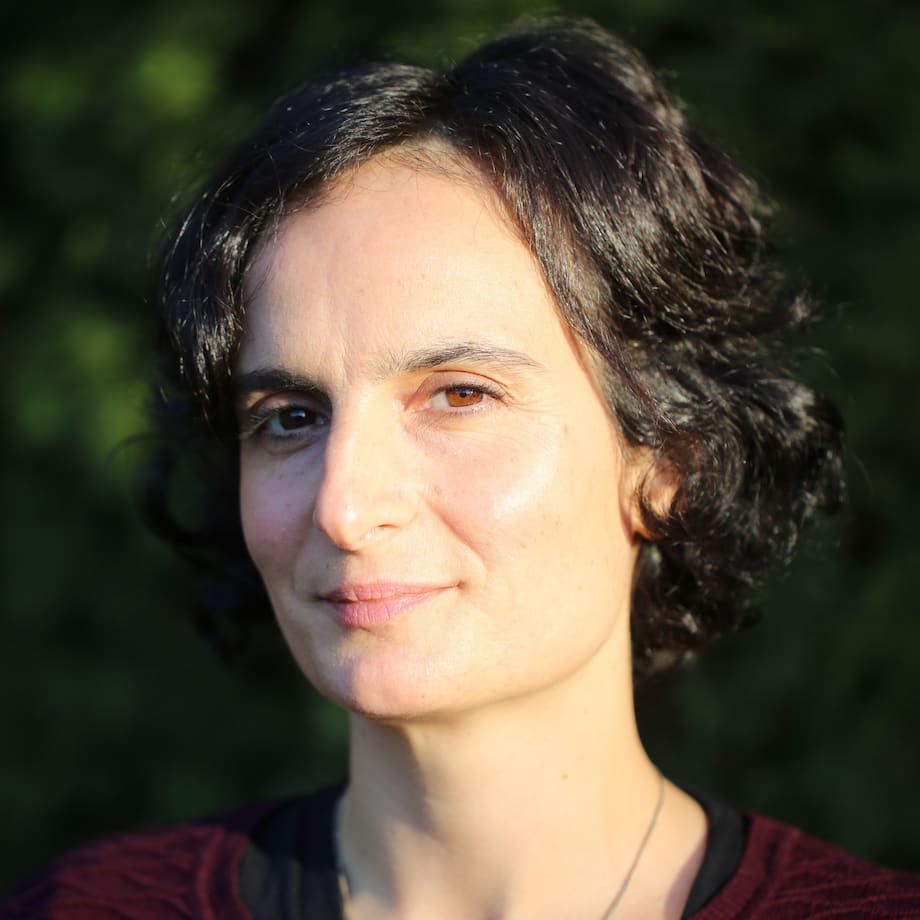
The farm goes back four generations — to 1924, when Mariantonietta’s great-great-grandmother arrived in Brindisi Montagna with a pair of Podolica cows from her dowry. For most of the century since, it never really paid. It survived on her father’s stubbornness — he kept the herd going through all the years the numbers didn’t work, helped by her brother Antonio in whatever spare time he had. When the land was divided among the family in 2016, there was finally a chance to begin again, properly. That was the year Mariantonietta finished a degree in biotechnology, with a research doctorate in chemistry in front of her. She turned it down. She and Antonio built a real company instead, with a stubbornness of their own: to make the family’s work finally pay, and give back some dignity to all those years of sacrifice.
The cows
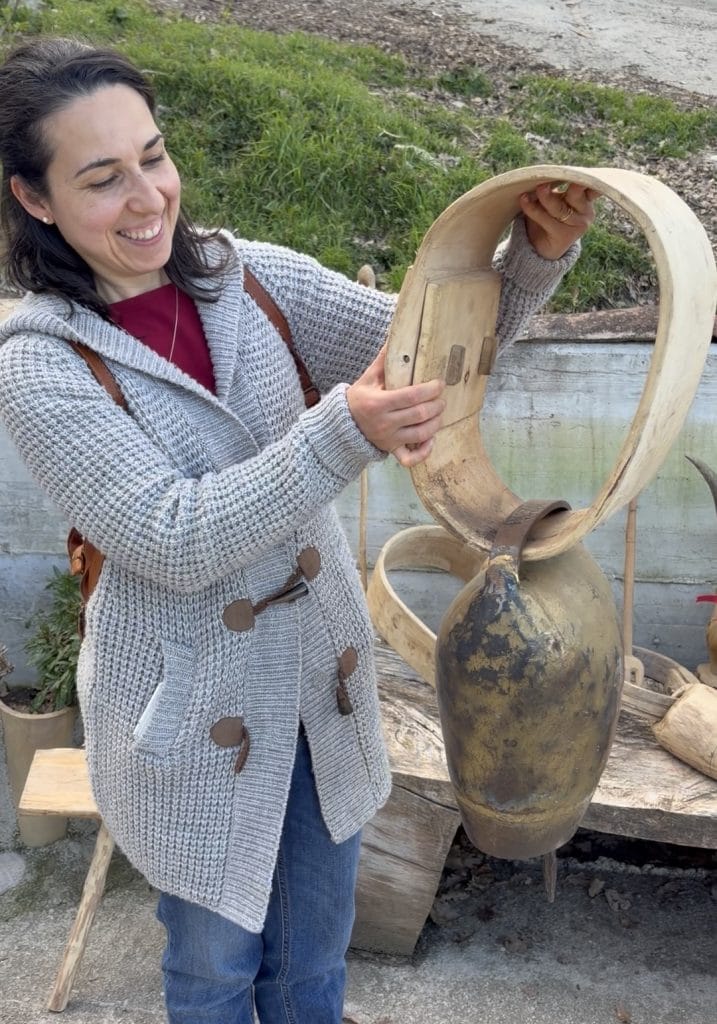
Podolica cows are like the Bentley of cows — wide horns, every shade of grey, beautiful. They live entirely in the open. No stables. They move with the seasons the way they have for centuries: the river valley in winter and spring, the mountain woods at a thousand metres in summer. There are around fifty of them, and Mariantonietta’s father knows every single one. Each has a name, and a bell tuned a little differently — and, the part I keep returning to, his own call for each animal. I was on the pasture when he walked to the edge of the river and made a sound I’d never heard a person make, low and almost primordial. He’s calling the cow on the other side, Mariantonietta told me. He wants her to come back.
The milk
A Podolica gives about five litres of milk a day. A standard dairy cow gives thirty. And she’ll only let her milk down if her calf is feeding beside her — the mother allows it because her baby is there. You can see the wild grass in what she gives: the milk comes out bright yellow, full of the fennel and liquorice and myrtle the cows forage on the hillside. It tastes of the place in a way no industrial milk ever could.
The cheese
From that milk Antonio — Mariantonietta’s brother, the cheesemaker — makes caciocavallo podolico: raw milk, natural whey starter, lamb rennet, salt, and nothing else. He shapes each one by hand into the old pear form, ties them in pairs, and ages them straddling wooden poles in a tuff cave — which is where the name comes from, cacio a cavallo, cheese on horseback. He also makes manteca: a core of butter wrapped inside a shell of stretched curd, which keeps for nearly a year without ever seeing a refrigerator. One of those solutions so elegant it makes you wonder why the rest of the world forgot it.
Why the hard way
What stays with me is the refusal. Only raw milk. No artificial enzymes. Wooden tools instead of steel. Everything by hand. I’m always a little suspicious of tradition for its own sake — sometimes it’s just nostalgia. This isn’t. Mariantonietta can tell you exactly why each choice protects the milk; you can hear the chemist in her when she talks. Her father once tried a small cart to milk two cows at once. They tested the milk: ten times the bacterial load of milking by hand. So they went back to their hands. The science didn’t get left behind in a lab. It went into the cheese.
Being there
Podolico Reale is a Slow Food Presidium producer, and Mariantonietta coordinates the Presidium’s producers across these mountains. But none of that is what you feel when you’re standing in the yard in the cold morning, the cows coming down off the hill, the weight of the curd in front of you. When I bring guests here, Antonio puts the warm curd into their hands and lets them work it themselves. That’s the thing I most want for you: not to watch the work, but to do a little of it — to be inside the day, not beside it.