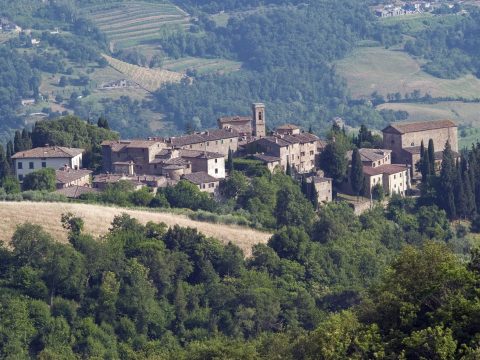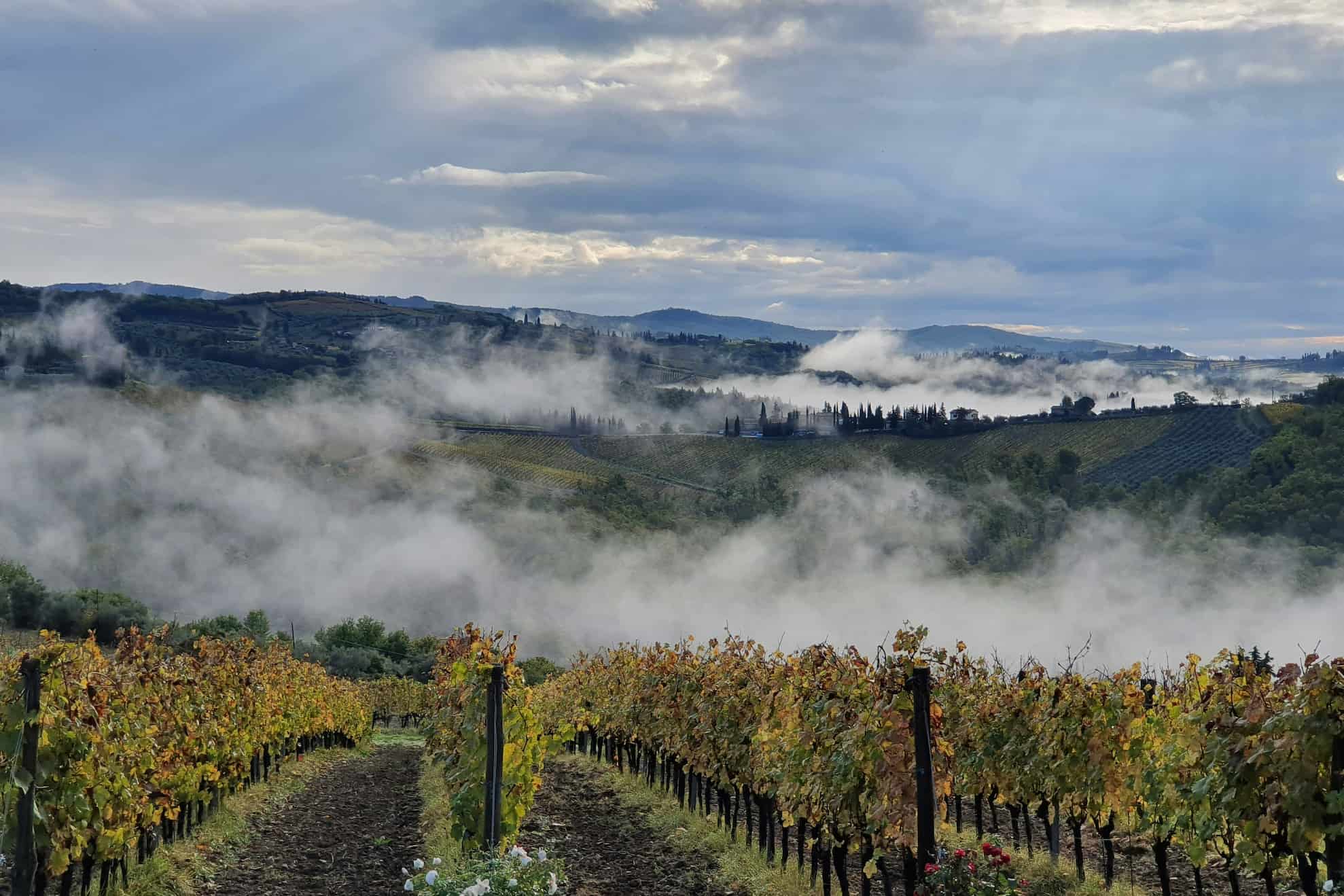
I was born in Antella, in the hills just outside Florence, at the edge of Chianti. I was christened in the chapel across from the church where Ginevra de’Benci — the woman some believe was Leonardo’s Mona Lisa — was baptised in 1457.
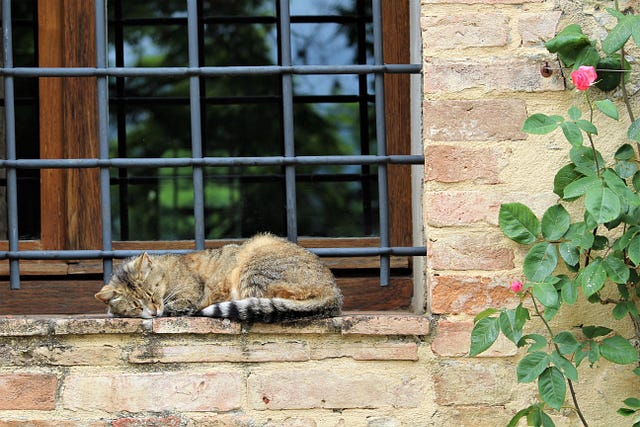
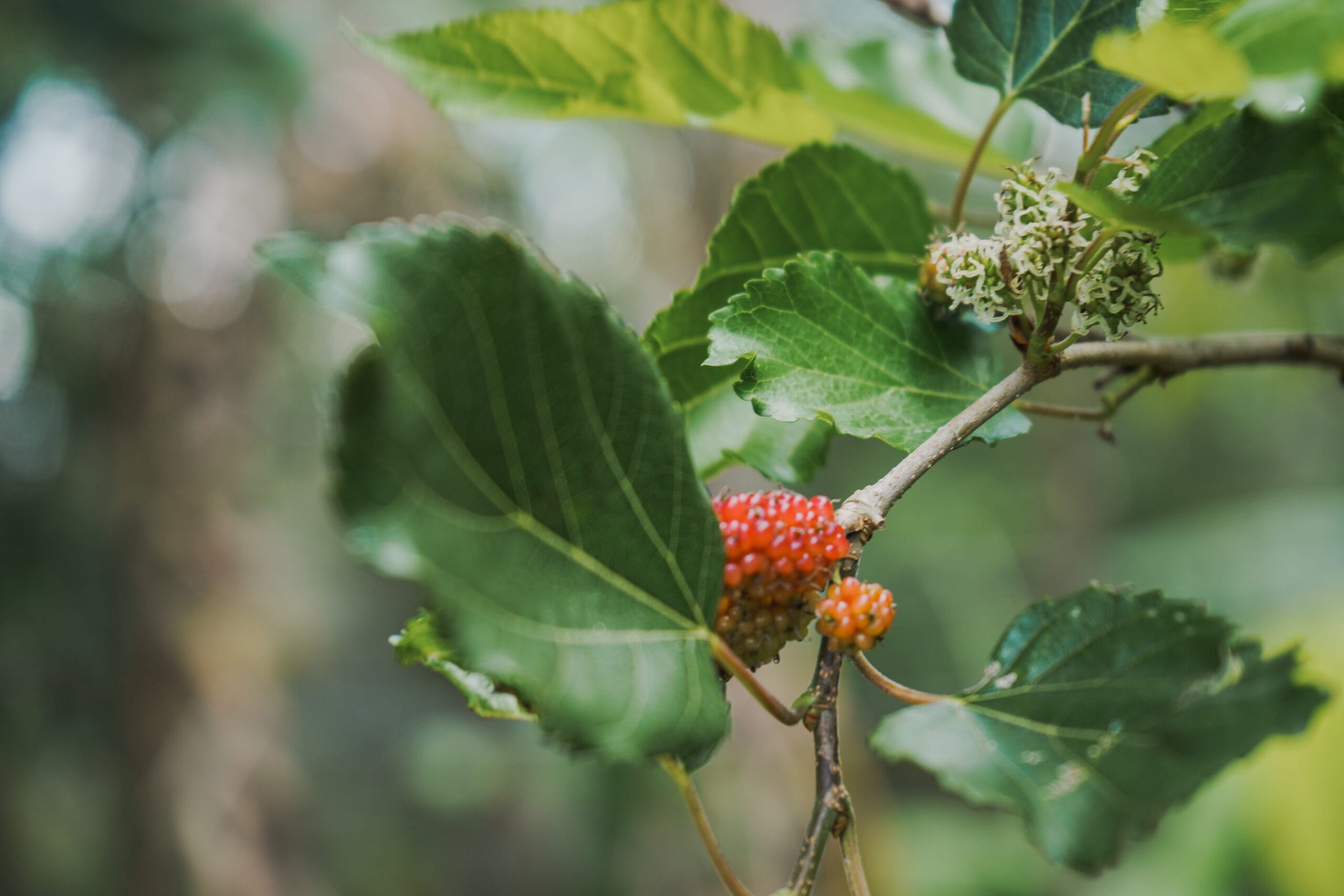
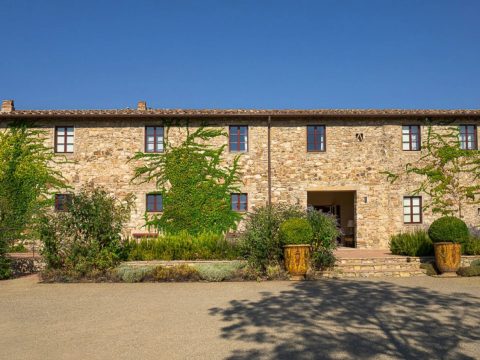
I grew up in a casa colonica — an old Tuscan farmhouse. In our courtyard there was a mulberry tree. Every spring, caper bushes would push out of the stone wall that separated our courtyard from the fields. My grandmother would harvest the flower buds, dry them in the sun, and pickle them in white vinegar. As a teenager, I rode my motor scooter through these hills — past old farmhouses, cypresses, olive groves, and vineyards.
Greve in Chianti is the heart of the region, and the heart of our Chianti tour. It’s been at the crossroads since the Middle Ages, when it thrived as a market town because it sat between two important routes: the Via Francigena, the great pilgrimage road, and the Via Volterrana, the salt road. The triangular piazza still has the shape it’s had for centuries — three sides of porticos that originally sheltered livestock on market days, now lined with cafes, restaurants, and shops. On Saturdays, the farmers’ market fills the square.
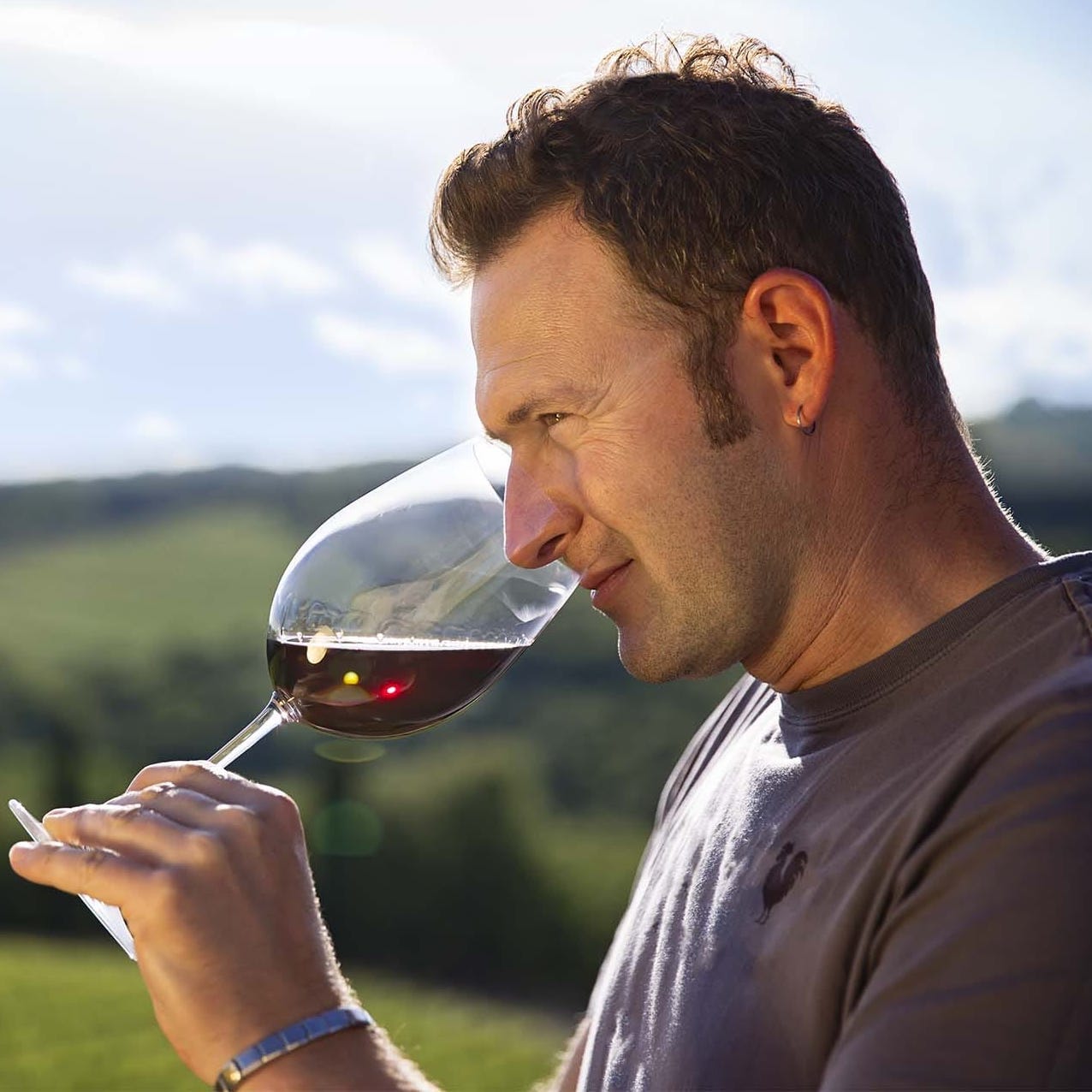
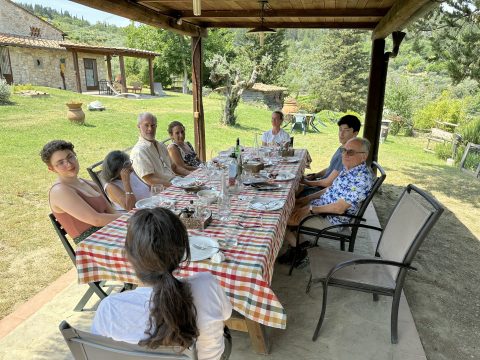
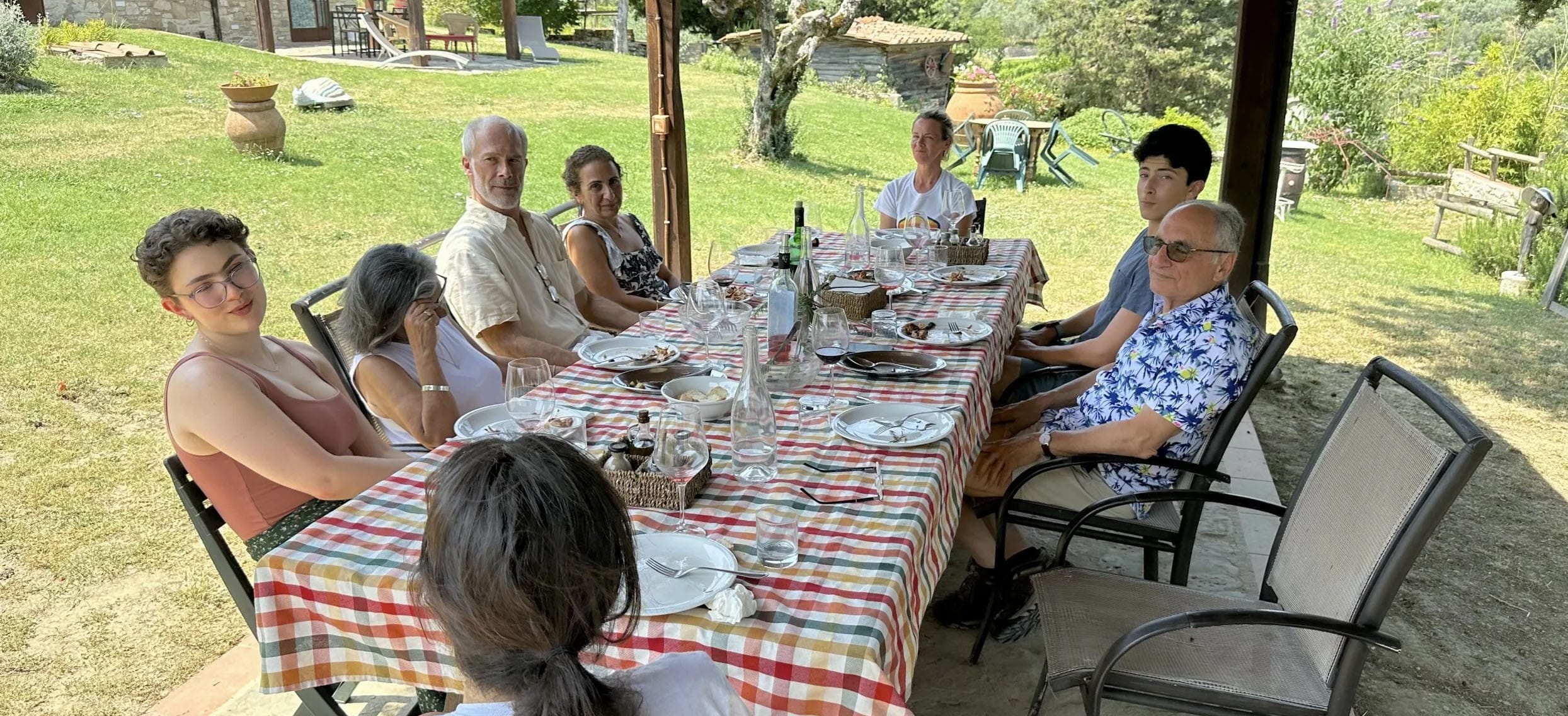
Chianti is Sangiovese country. The Chianti Classico wines — marked by the Black Rooster on the neck label — are made primarily from Sangiovese grapes grown in this specific zone between Florence and Siena. Food in Chianti is always connected to the land and the seasons. Ribollita — the thick bread soup with black kale, white beans, and onions — is the signature, and every family makes it differently. Wild boar appears in ragù, in stews, in pappardelle sauce. Pecorino is everywhere. Bruschetta is the simplest and most perfect thing: bread, garlic, oil, maybe a truffle shaved on top.
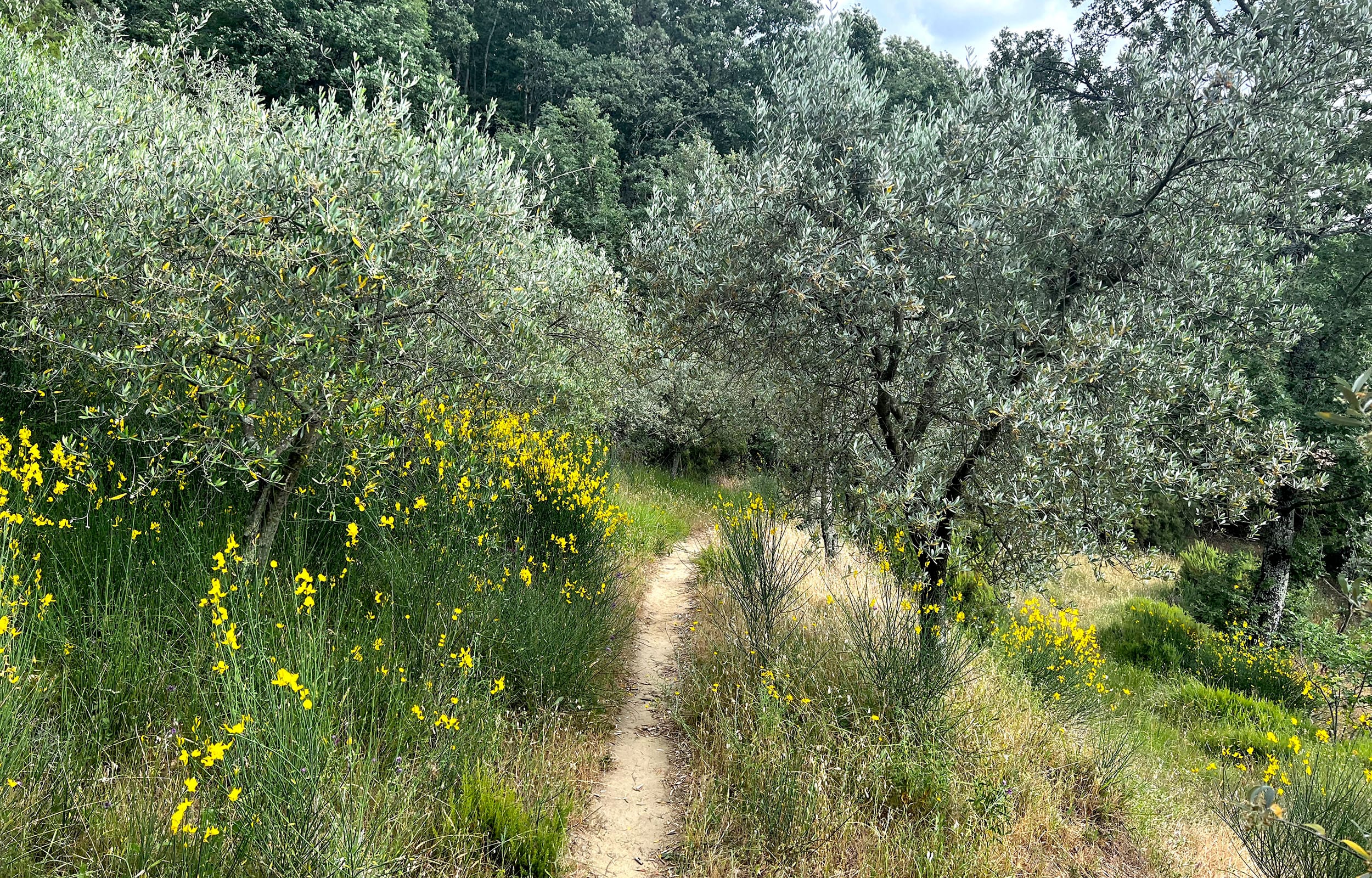
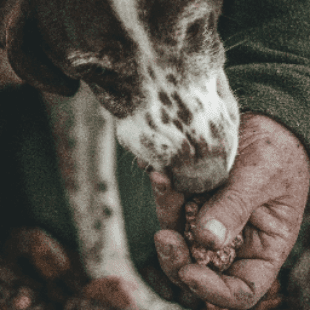
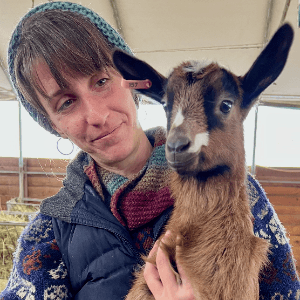
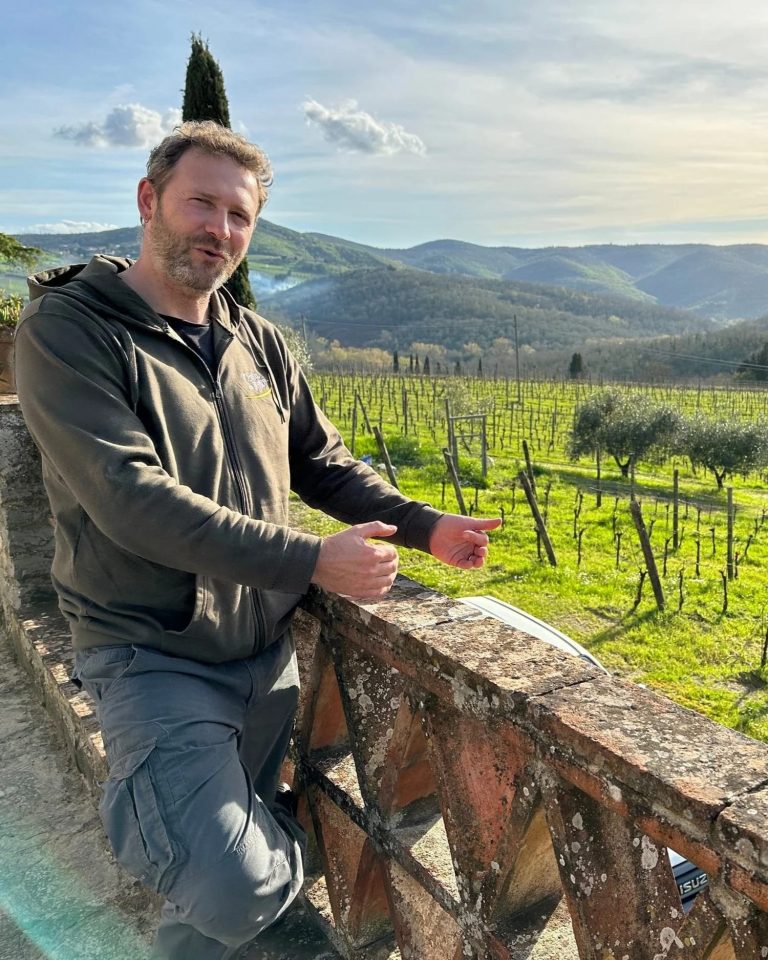
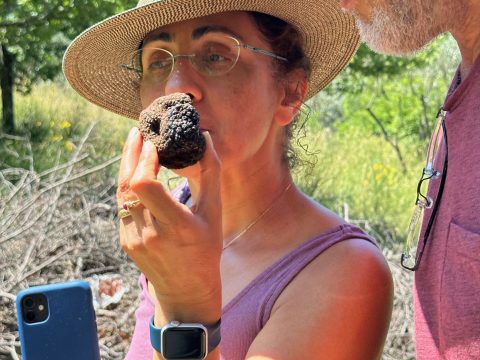
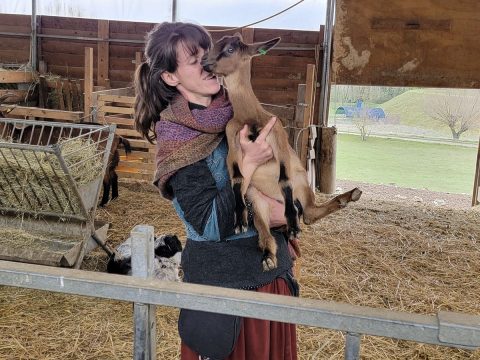
Chianti is where numenvia was born. Not because it’s the most famous part of Tuscany, but because it’s the land I know best. These are the hills I walked as a child. These are the makers I found first — the winemaker who’s married to my sisters’ best friend, the cheesemaker who left academia to raise goats, the truffle-hunting family who’ve been farming the same land for twelve generations.