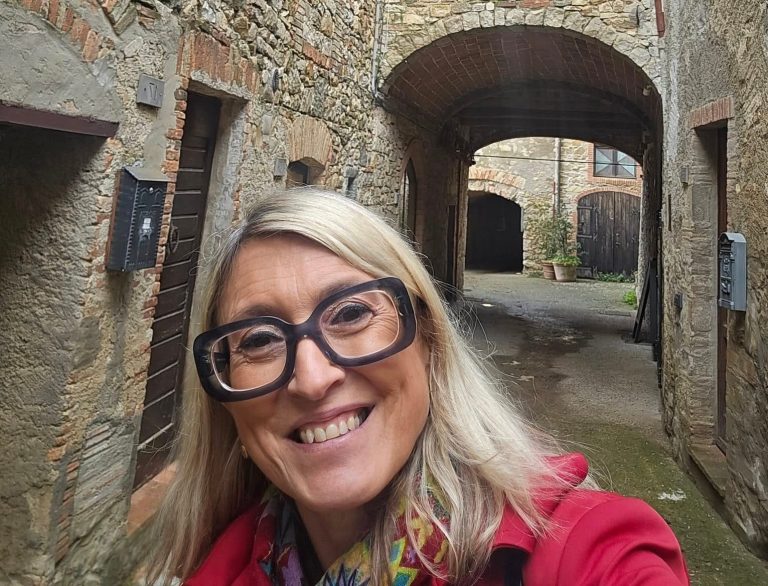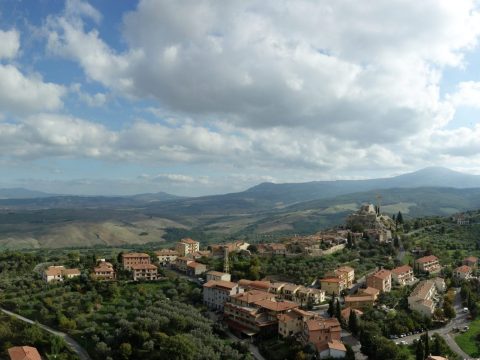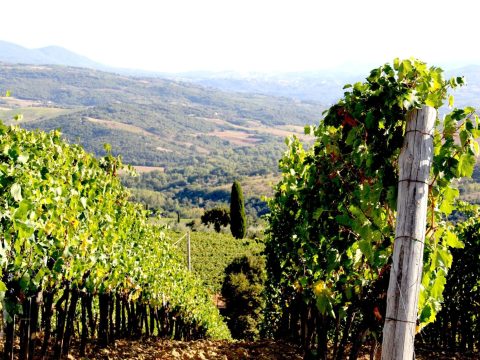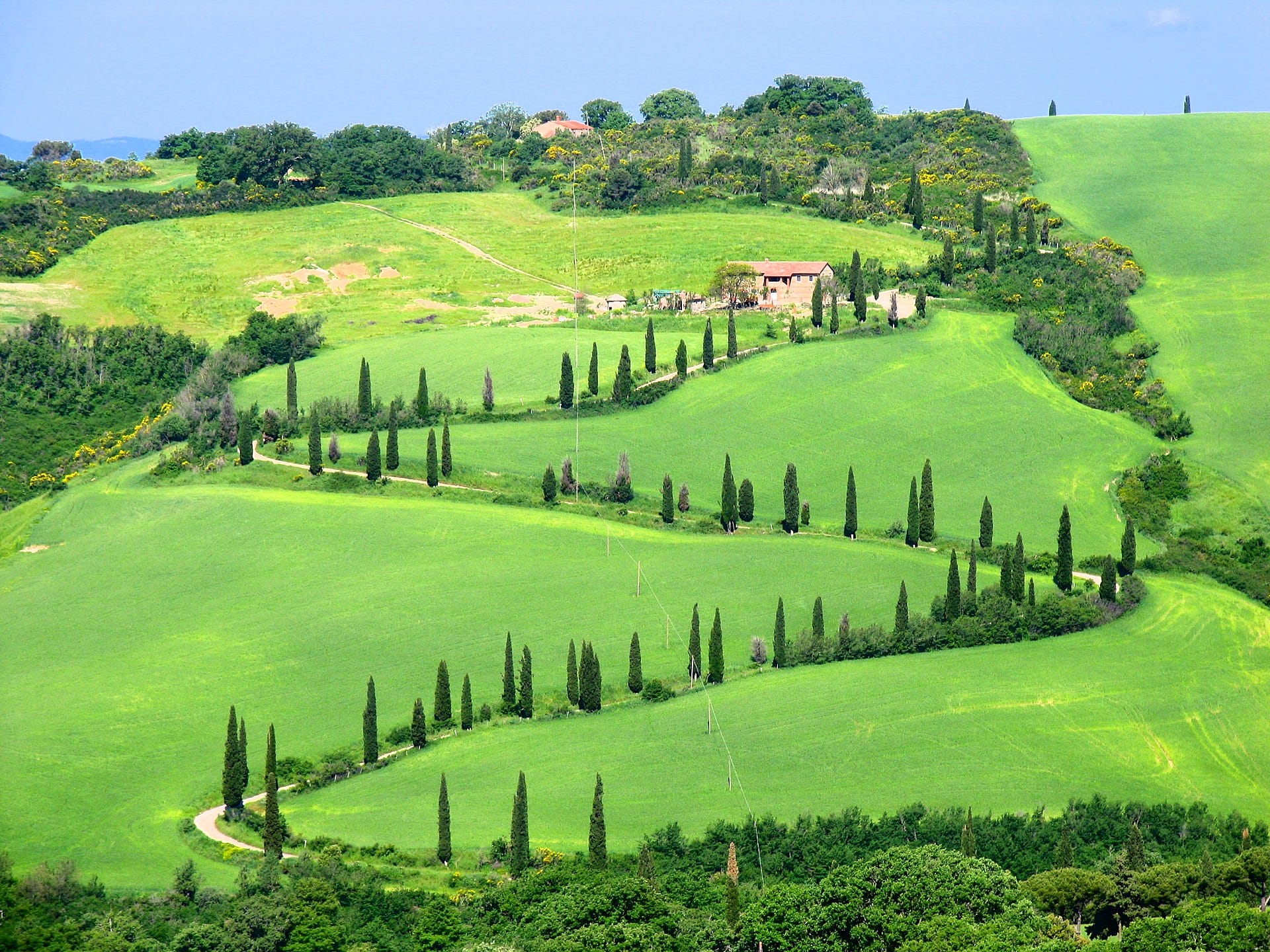
I grew up in the hills outside Florence — not in Val d’Orcia. But it was always a place of my imagination — of golden light and open hills. Who could forget the scene from the Gladiator where Russell Crowe walks through the field of golden wheat? It was shot just outside Pienza.
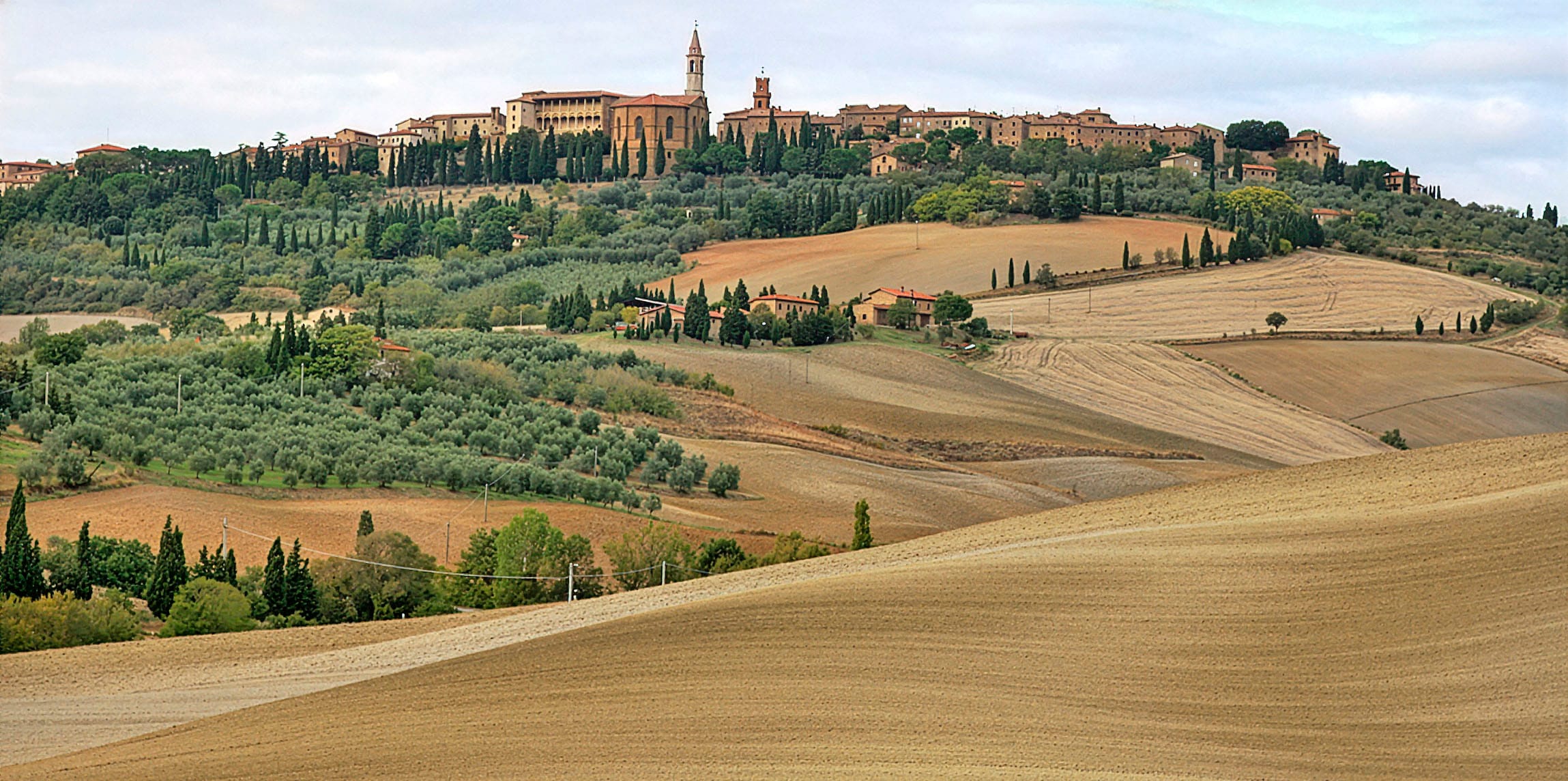
The first time I drove to Val d’Orcia, I was with my son Noah and my mother, in her old Fiat Panda. I love Florence and Chianti — they’re where I grew up. But there are so many tourists. Everyone goes to Florence. In Val d’Orcia, I was looking for a quieter, slower, deeper experience. And I found it!
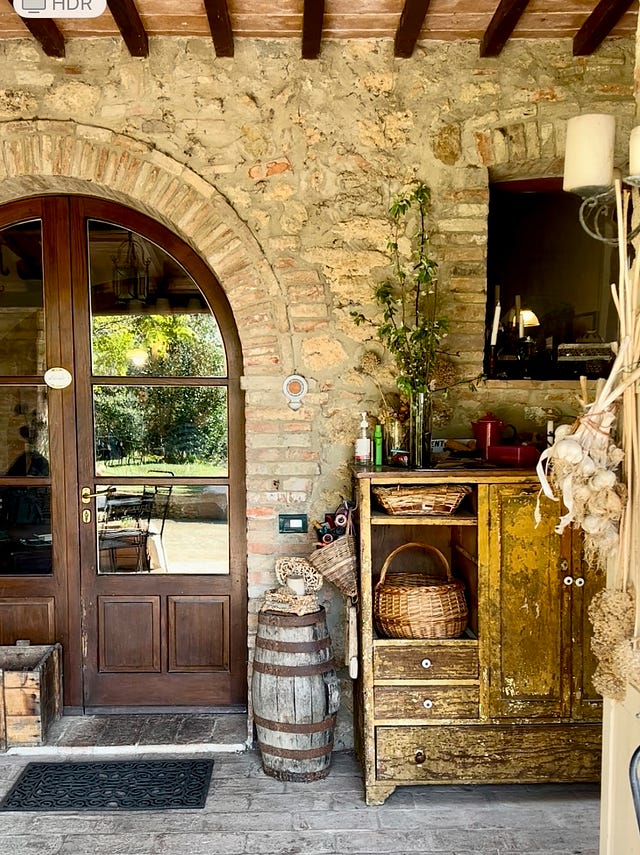
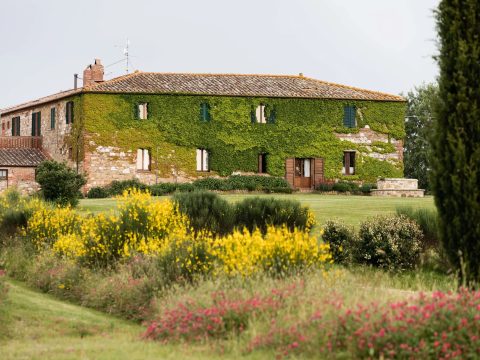
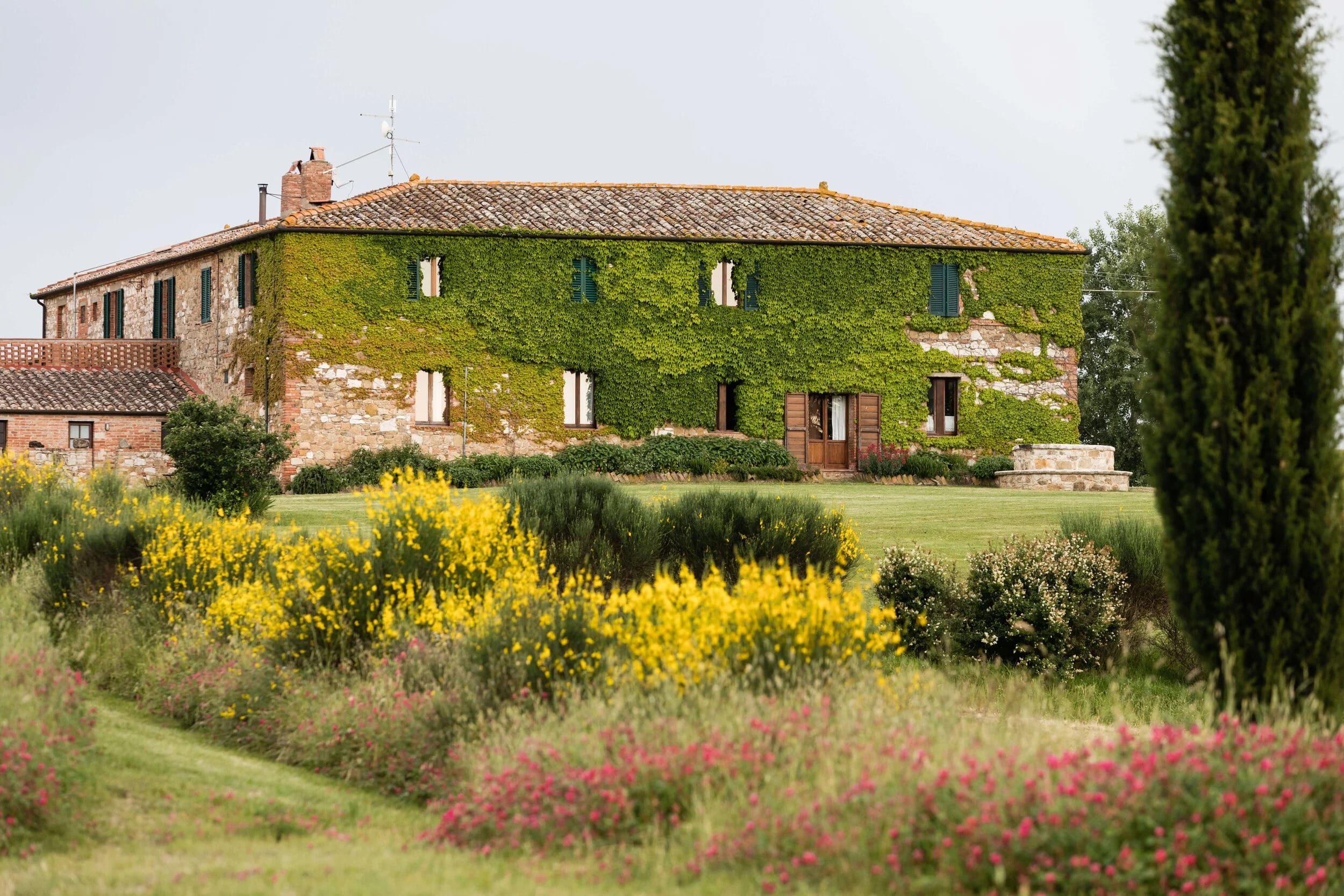
After an hour and a half, the Panda bumped and groaned onto a dirt road. Our agriturismo stood above, on top of the hill. I’d picked this place partly for its story. The Cipolla family bought a deserted sharecroppers’ farm in 1980 and turned it into an organic farm at a time when nobody was doing organic farming. They had the vision to turn it into a hospitality project at a time when tourism was almost unknown in Val d’Orcia. When I saw the old terracotta farmhouse with vines climbing up the facade, I knew it was perfect.
We walked down to dinner, which is in the main house, and we were quite hungry. I asked for a vegetarian dinner, not only because I’m vegetarian, but also because it’s a good test of the flexibility of a place in accommodating dietary preferences. And sometimes when I ask for vegetarian menus, I’m underwhelmed. This is especially true in Tuscany, where meat is at the center of the show — but not here.
The antipasto was fresh artichokes with local raw cheese and walnuts. One of the reasons to go to Tuscany in spring is because it’s artichoke season. And then I had these delicious homemade tagliatelle with butter and lemon zest. It was so flavorful. You could tell it was made with stone-mill flour because of the rustic texture. And as a second piatto, I had a squash soufflé with roasted sweet potatoes and a chopped salad made with broccoli, purple cabbage, cauliflower, and carrots. It was really unusual and delicious.
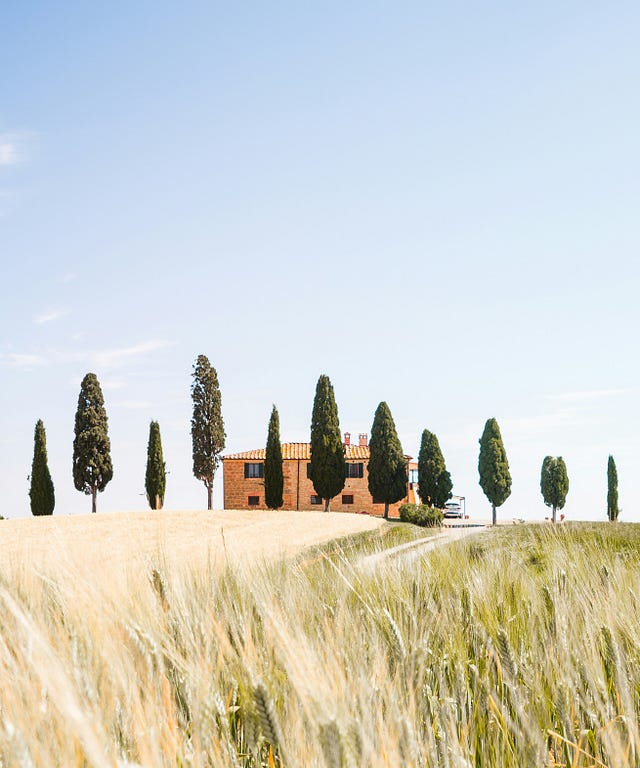
After that delicious dinner, we drove back to the smaller farmhouse where we were staying. And this for me was the highlight of the day — to watch Noah running freely in the open field, the golden light, and being surrounded by the silence. I like to include more opportunities for moments like this during the tour because I believe they bring a sense of awe and wonder from experiencing the world free from human noise pollution that we are so used to. And the beauty of awe, if you think about it, lies in its ability to shift our focus from ourselves to something greater. And isn’t this why we travel after all?
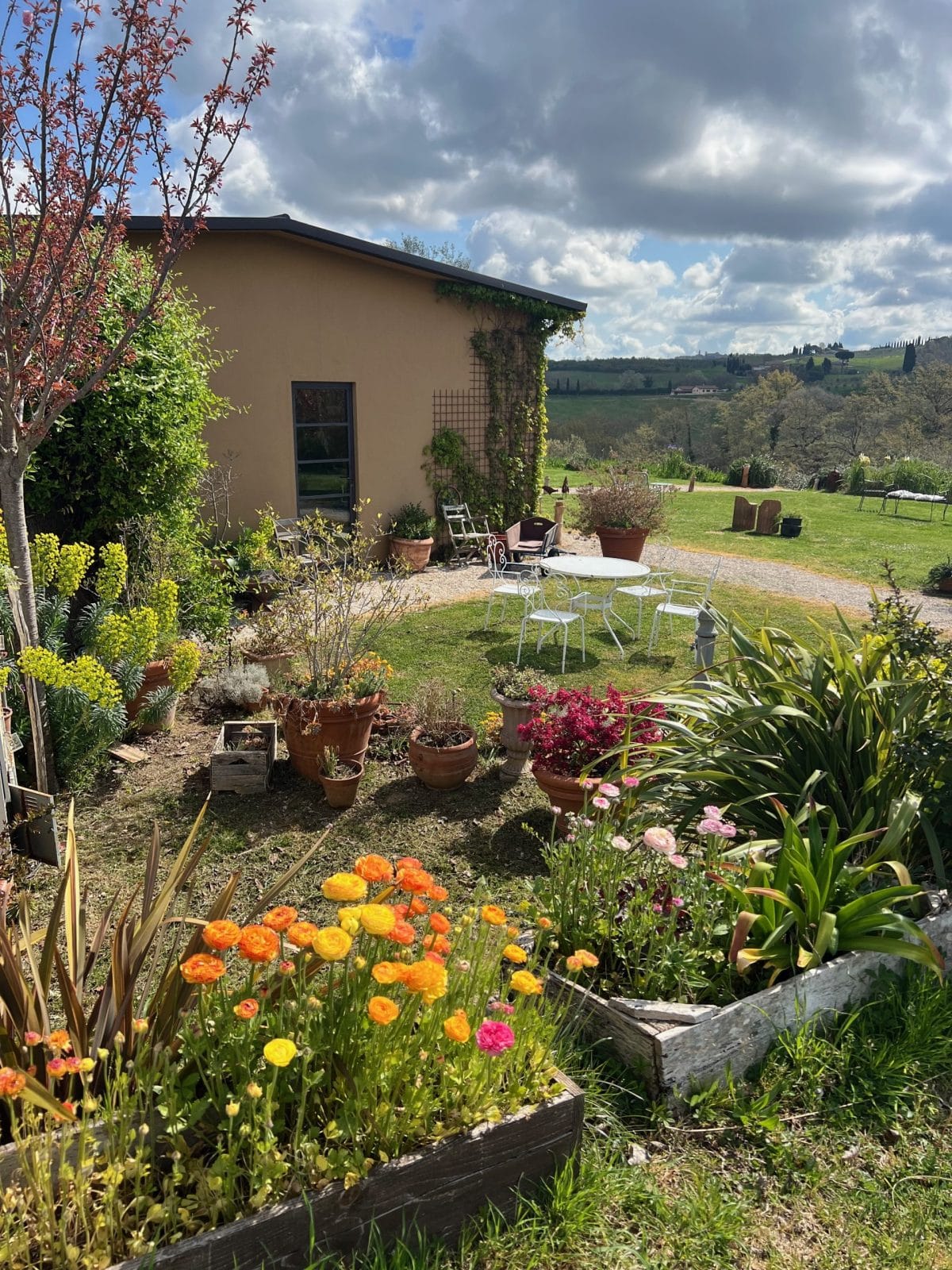
The next morning was bright and sunny. This time we walked to the main farmhouse for breakfast. This is probably one of the most peaceful morning walks I’ve ever done. The view is just gorgeous. I noticed the night before during dinner that the tables were decorated with this tasteful arrangement of fresh flowers from their garden. And they even used their flowers to decorate their dishes, so of course I wanted to take a look at their flower garden. They have so many things — these are all the edible flowers.
The breakfast was perfect and reinforced that the owners know how to take care of their guests. There were beautiful homemade cakes with edible flowers, homemade jams that are impossible to find anywhere else — like this one made with pears, peppers, and saffron — and then raw cheese, cold cuts, different kinds of sourdough bread that they make in the morning, muesli, milk, and yogurt from a nearby farm. I love this idea that farm to table is not just a slogan but a way of life.
This is Val d’Orcia.
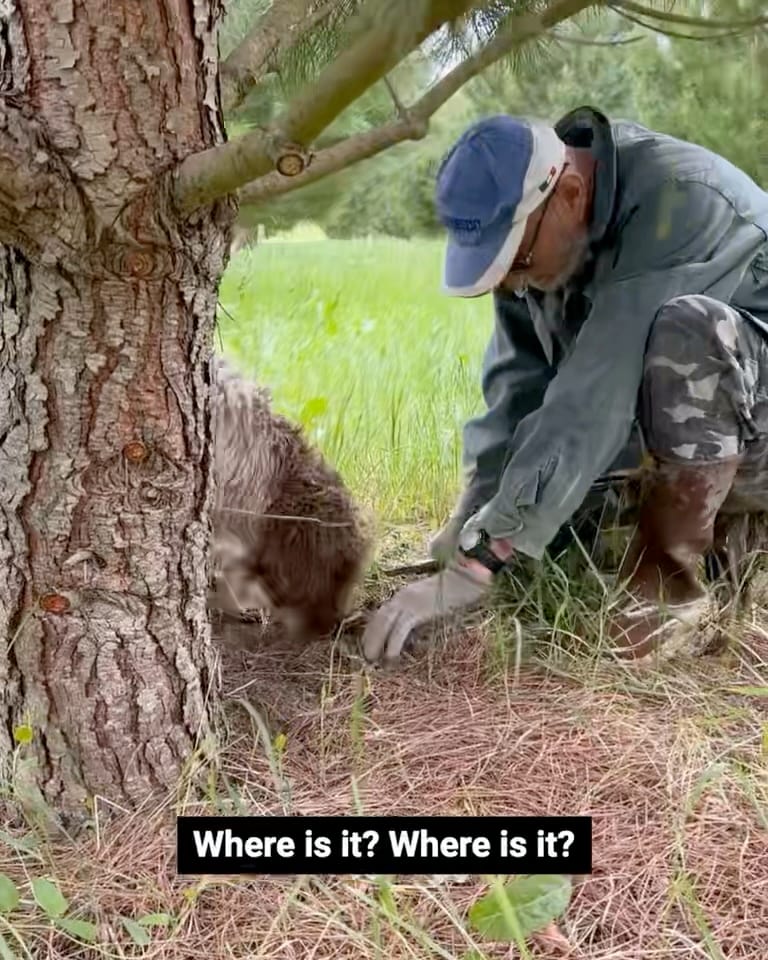
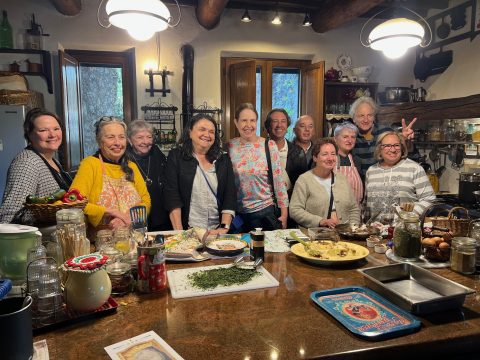
A numenvia tour is about recharging through conviviality and beautiful, participatory experiences — making cheese or pasta, finding truffles in the woods. And the best guides are the creators who do these things not as a performance, but because it is who they are.
At Fattoria Bistecca, near Cortona, you’ll make cheese by hand with Ilaria and her father Lapo — the same Lapo whose sheep appeared in the movie, Under the Tuscan Sun. Then Ilaria prepares a lunch with hyper-local products from the farm, including the cheese that you made.
At Podere il Casale, Ulisse and Sandra produce pecorino exclusively from their own sheep and goats. No shortcuts. Ulisse is a shepherd, but he’s a teacher too.
Pamela Sheldon Johns moved to Val d’Orcia from California over forty years ago and settled at Poggio Etrusco, near Montepulciano. She’s the internationally-known author of 17 cookbooks, and an expert on cucina povera — the traditional peasant cooking of the region, with seasonal, simple ingredients.
The three sisters at Puscina started their flower farm in 2014, when nobody was growing seasonal, organic flowers in Tuscany. After collecting and arranging beautiful flowers, we have lunch under their old olive tree, and it’s a highlight of the entire tour.

The week ends at Azienda Tornesi in Montalcino, a small family winery where Valentina, Elisa, and their father Gino pour Brunello and Elisa’s mother cooks the farewell lunch.
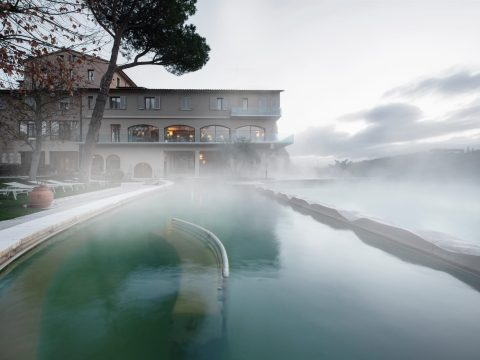
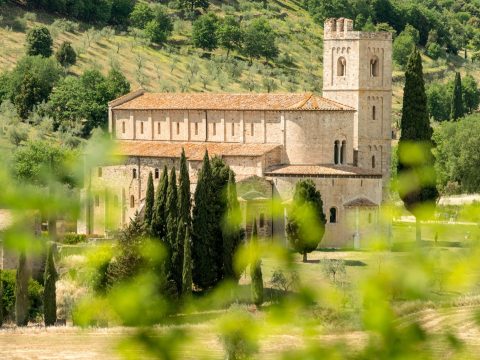
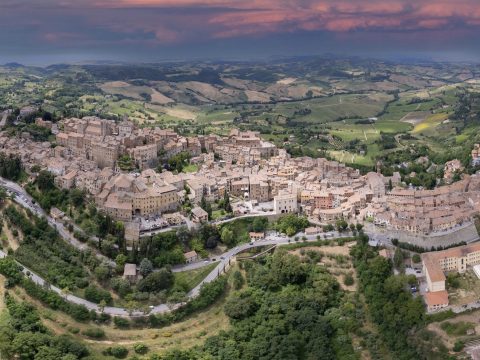
In between, there’s Pienza — the Renaissance “ideal city.” Bagno Vignoni, where a thermal bath sits in the middle of a medieval square. Castiglione d’Orcia, a hilltop village that’s one of the last true hidden gems of the region. And the ancient Abbazia di Sant’Antimo.
My tours are never rushed — you have space to breathe, to talk, to soak in the silence.
Yes, it's the "Under the Tuscan Sun" town — but Cortona has been drawing visitors for millennia. One of the oldest continuously inhabited cities in Italy. Etruscan walls from the…
Discover more →
Pope Pius II's dream of a perfect city is intimate — as you walk its streets, every corner reveals something new and unexpected. Narrow lanes have names like Via dell'Amore.
Discover more →
You'll make three cheeses with your own hands, then eat them on the terrace looking out toward Cortona. And yes, Lapo, Paola, Ilaria, and Laura's sheep are the famous flock…
Discover more →
Nobody expects the flower farm to be one of the most moving experiences of the week. Three sisters, 200 species of organic flowers, and a morning in the fields with…
Discover more →
The main square is a vast pool of steaming thermal water — 49 metres long, open to the sky. Saints, popes, and Lorenzo de' Medici came for the waters. Tarkovsky…
Discover more →
Three outdoor thermal pools fed by the same volcanic spring that fills the medieval piazza. You'll float in the warm mineral water while looking at the Rocca d'Orcia with Val…
Discover more →
You'll love Debora. She's more than a guide — she becomes a member of the group. Born and raised in Arezzo, she brings the history, art and food of Tuscany…
Discover more →
A quiet medieval hill town that most visitors never find. We come here on the final morning of the tour — beautiful views in every direction, and a chance to…
Discover more →
After days of cooking, cheese-making, flower-picking and thermal bathing, this 12th-century abbey in its silent valley is a chance to take a breath. Benedictine monks still chant the hours.
Discover more →
This is where we end every Val d'Orcia tour. Four generations of Tornesi, Mamma Renata's cooking, Nonna Renata's eggs, and a farewell lunch on the terrace looking out at Monte…
Discover more →
The Cipolla family's agriturismo — a working organic farm — is our home base for the Val d'Orcia tour. Luisa cooks a new four-course menu every evening from the garden;…
Discover more →
Pamela Sheldon Johns moved here from California over forty years ago. She chose to make this place her home. You'll pick produce from her organic garden, then cook a full…
Discover more →
Tuscan wine is about more than Chianti. Montepulciano, perched on a limestone ridge at 605 meters, has Renaissance palazzi, underground Etruscan cellars, and a main street that climbs to the…
Discover more →