“You need a place, if only for the pleasure of leaving it. A place means not being alone —knowing that in the people, in the plants, in the earth, there is something of yours, that even when you’re not there, it stays and waits for you.”
— Cesare Pavese, La luna e i falò, 1950.
Pavese’s novel is the story of an orphan who emigrates to America, and then returns in a melancholy homecoming. In Italian, ‘place’ is paese—it means village, hometown, place of origin. But for Pavese, paese is also the place you choose to make your home.
The story of Basilicata is the story of a people—the Lucani—longing for home. In the nineteenth and twentieth centuries, hundreds of thousands of Lucani left for the Americas, fleeing the terrible poverty of Italy’s South. They made new homes, but they carried the villages they left in their hearts. Now, some are returning. Others are choosing to stay, to make something new in this land Lucani have been building for at least nine thousand years.
I wasn’t prepared for Basilicata. I grew up in the green rolling hills of Tuscany, where the landscape alternates between olive groves and vineyards. It’s soft, picturesque.
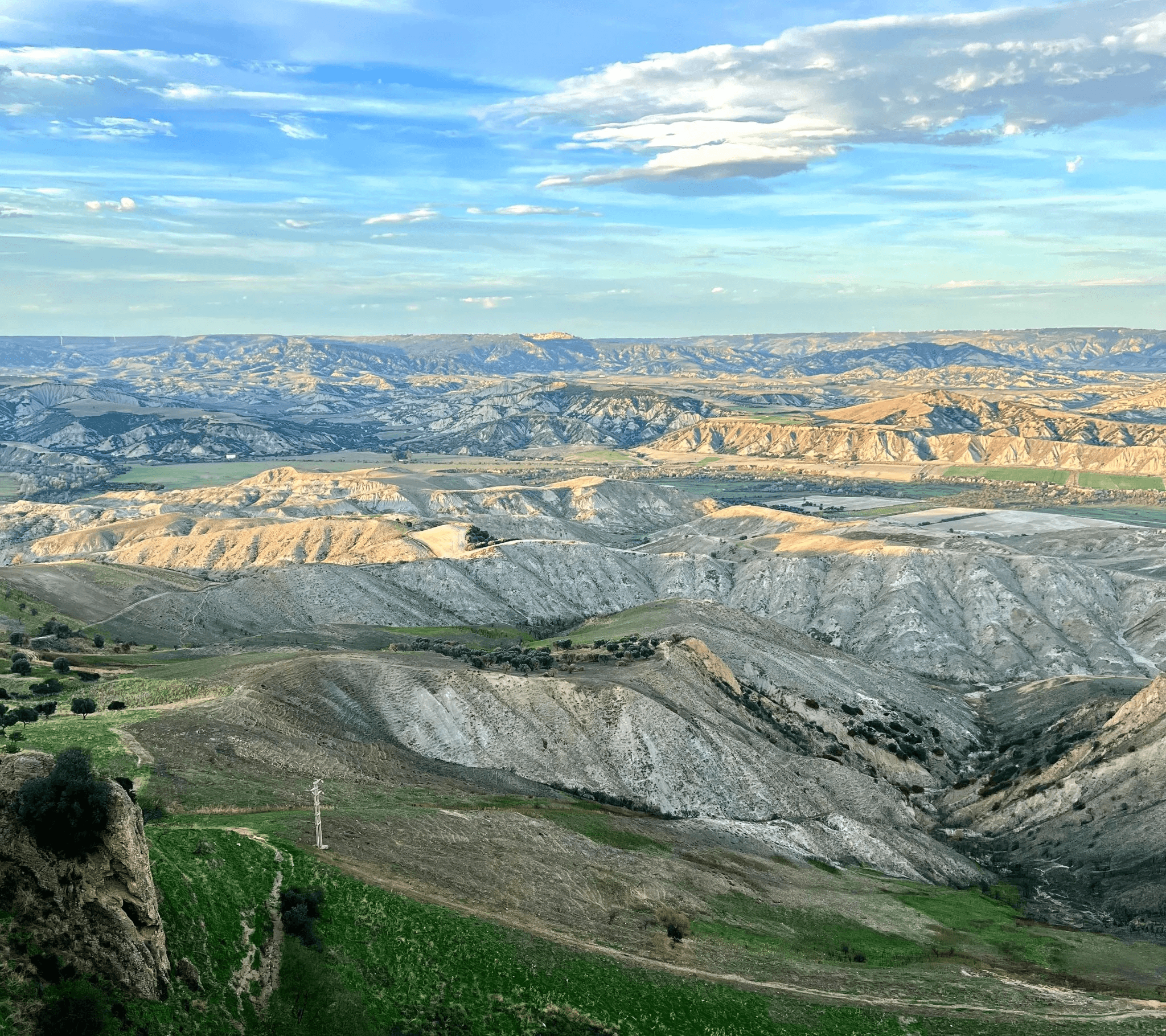
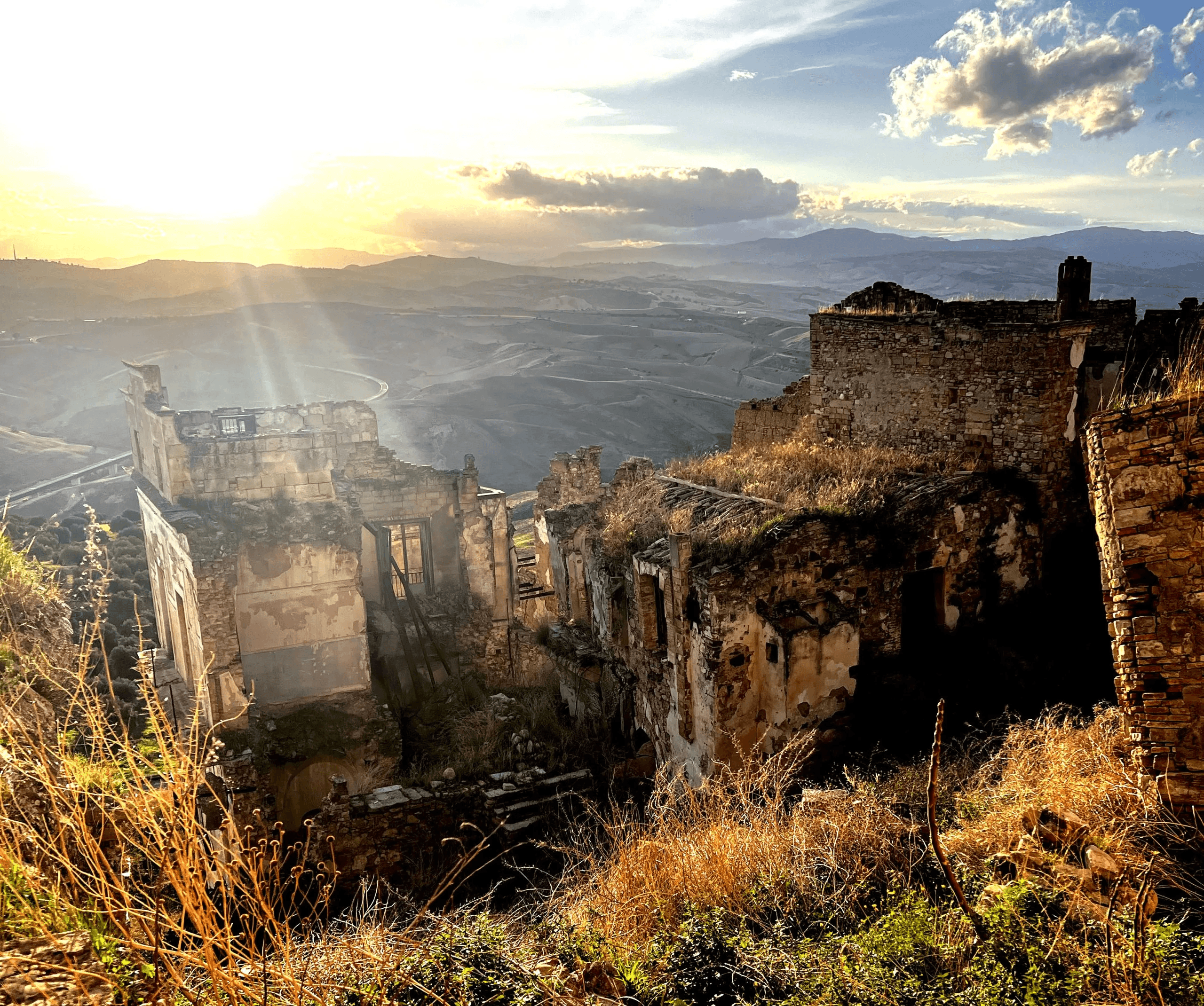
Basilicata is nothing like that — sharp eroded ridges of white clay with villages perched on top, spires of rock with villages wrapped around them. So much of it is empty. Abandoned towns. Silence.
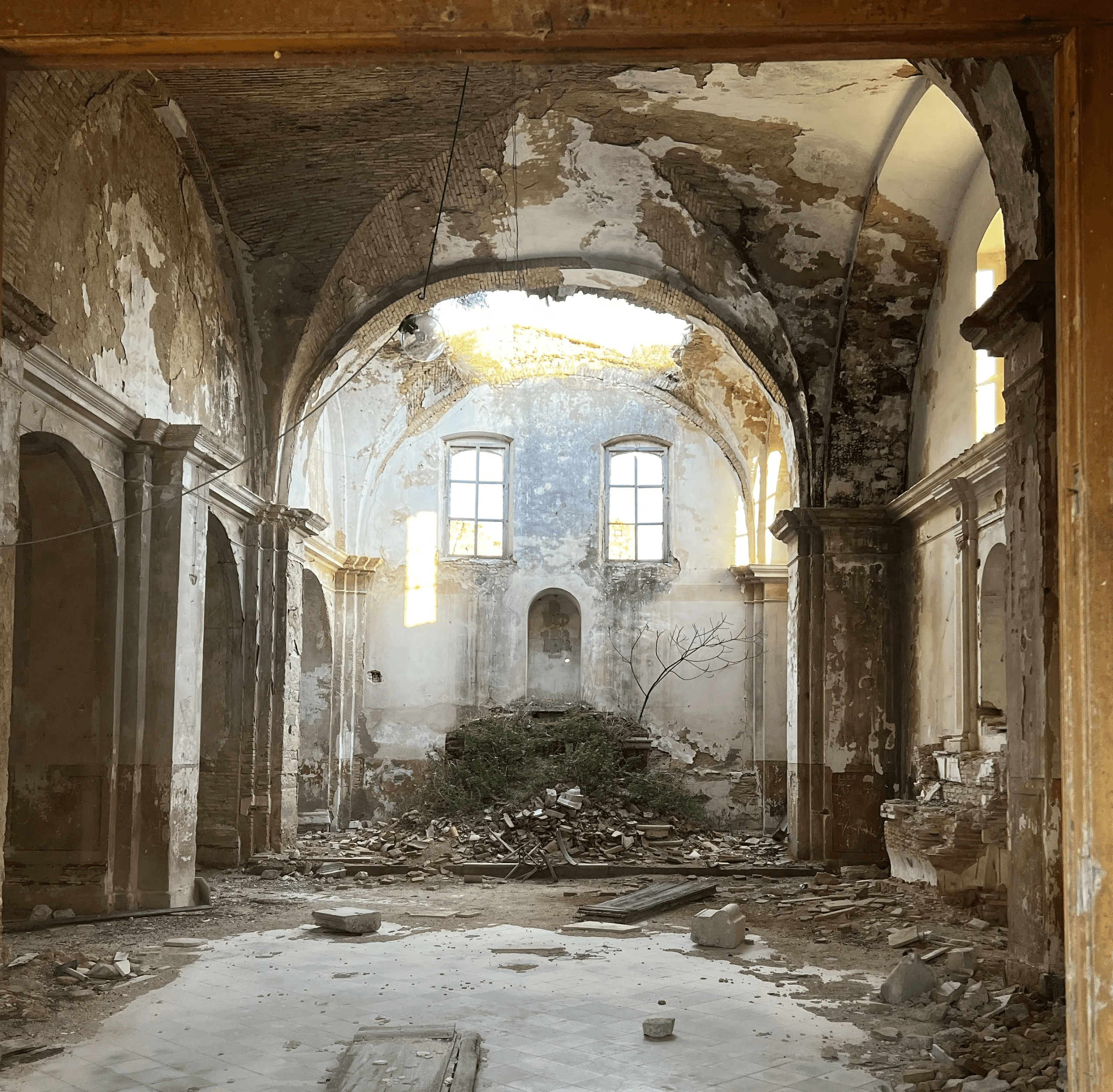
I remember driving around its countryside with Adele, and thinking, where is everybody?
In Tuscany, wherever you look, there’s a medieval village or an old farmhouse. But standing at the top of the ghost town of Craco, all you see are bare hills-the calanchi-all the way to the horizon.
The missing people were stonemasons, laborers, seamstresses. They helped build the Americas. In New York, the emigrants from Craco founded the Società San Vincenzo Martire in 1899; the feast of their saint is still celebrated there every fourth Sunday of October. The story of the Crachesi is the story of emigrants from so many towns: San Giorgio Lucano, Campomaggiore, Vietri di Potenza, Venosa…
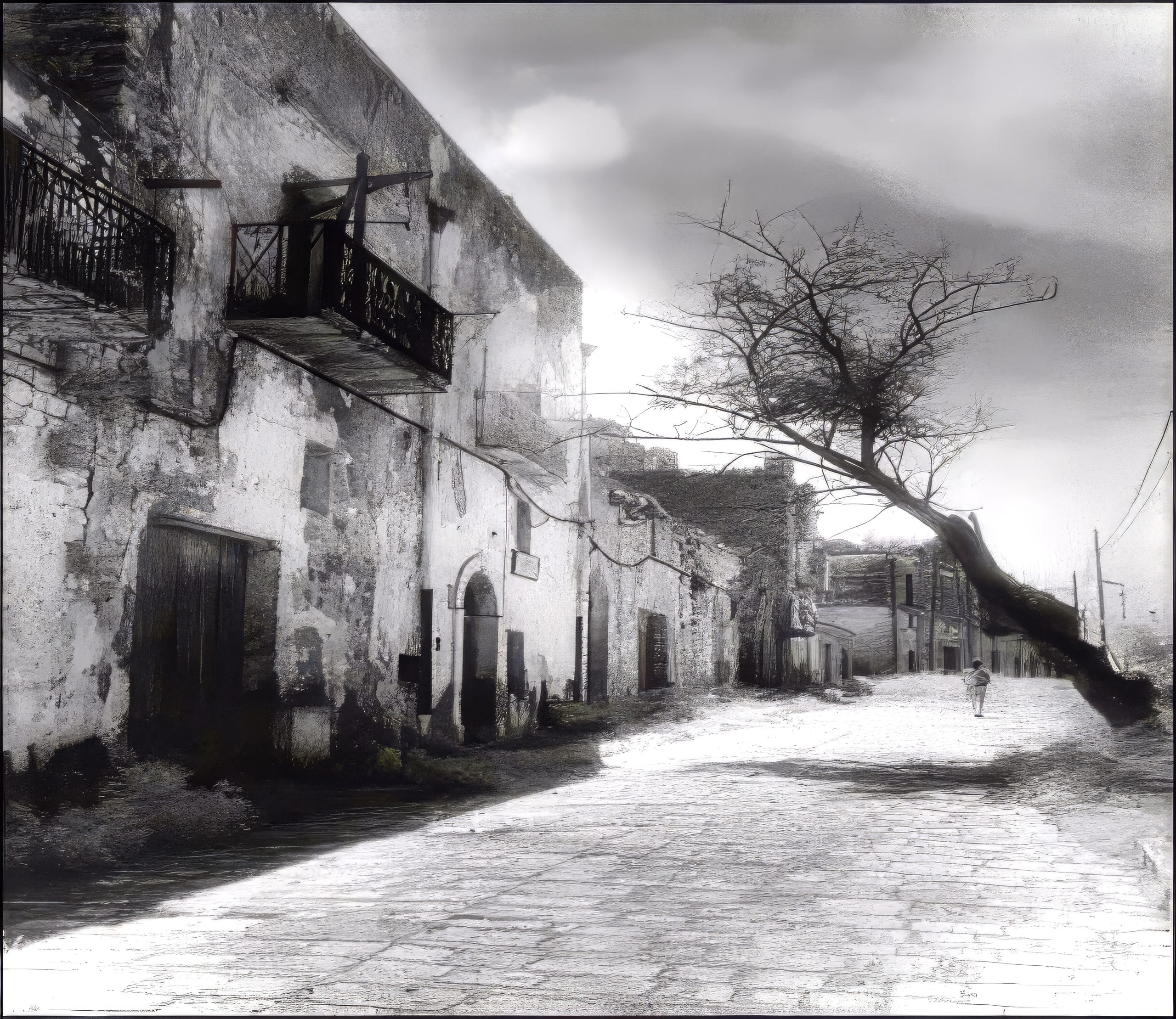
In April, I stood with Adele and her friends in Craco, in front of the house of Joe Rinaldi. Joe’s family left for Toronto in 1967, when he was six. He wrote this letter for us to read aloud in front of his house:
“…inside our home, Craco lived on. In spring we celebrated Easter with roasted lamb and homemade taralli. In summer my father planted tomatoes, peppers, zucchini, cicorie, parsley, and basil. My mother preserved tomato paste for the winter. In the fall we made wine. At Christmas, seafood filled our table on Christmas Eve, followed by savory zeppole and sweet chestnut-filled pastries. In January, there was salami and pancetta.”
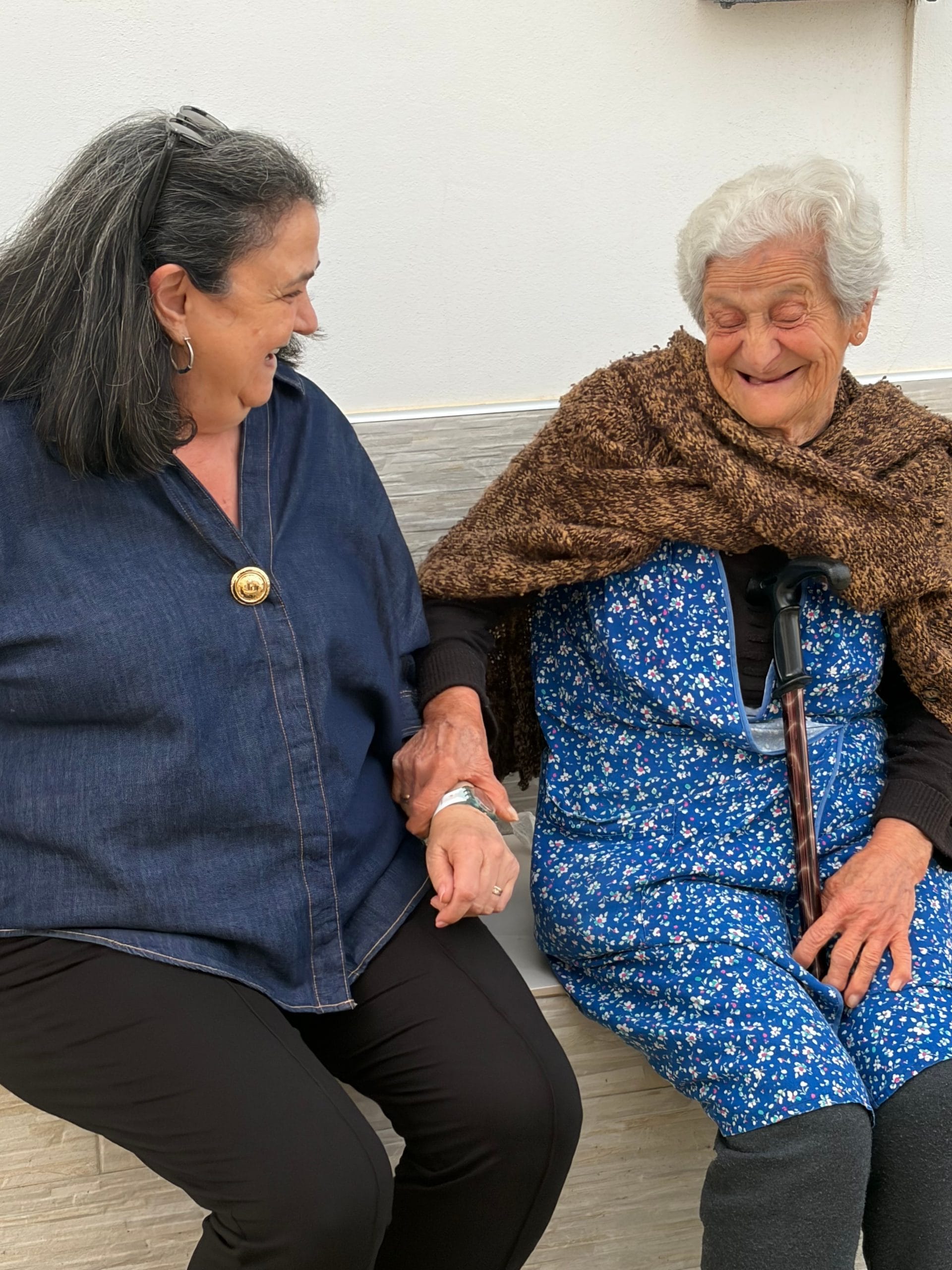
Adele’s family left Pisticci for Toronto, like Joe’s. She came back to Pisticci with me, and sat laughing with Rosetta, who isn’t quite sure how old she is.
But the story of Basilicata is not only a story of leaving and bittersweet returns. It’s also the story of the people who choose to stay, wherever they are from.
Elena Fucci, who gave up a future in genetics to stay on her family’s land on the slopes of an extinct volcano. She stopped her grandfather from selling their vineyards. Now she crafts world-famous wine from those vines.
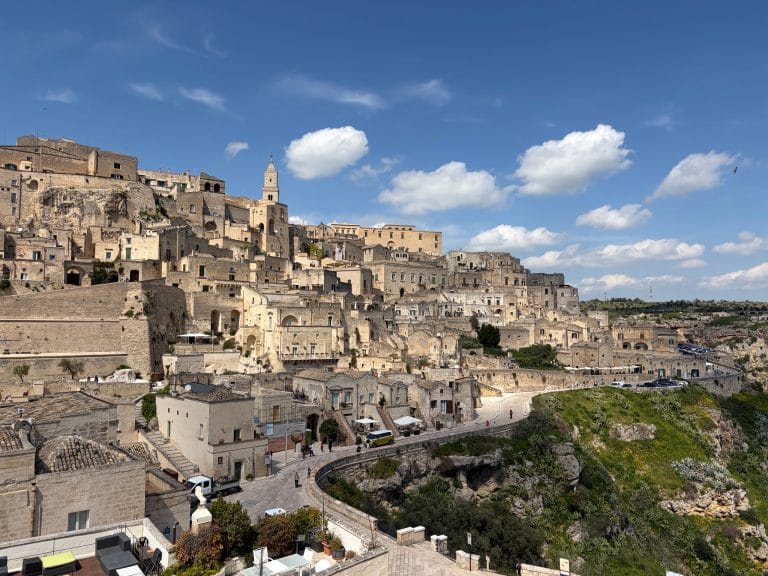
Sabrina, a baker whose family has worked the same oven in Matera for generations. She chose to stay while the young people around her were leaving.
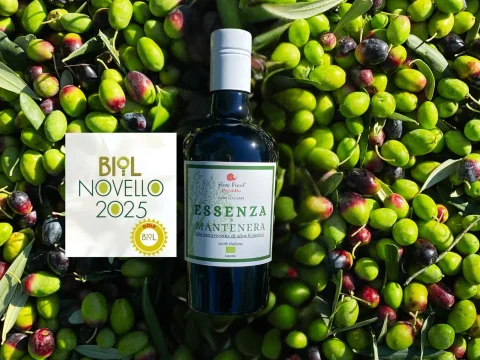
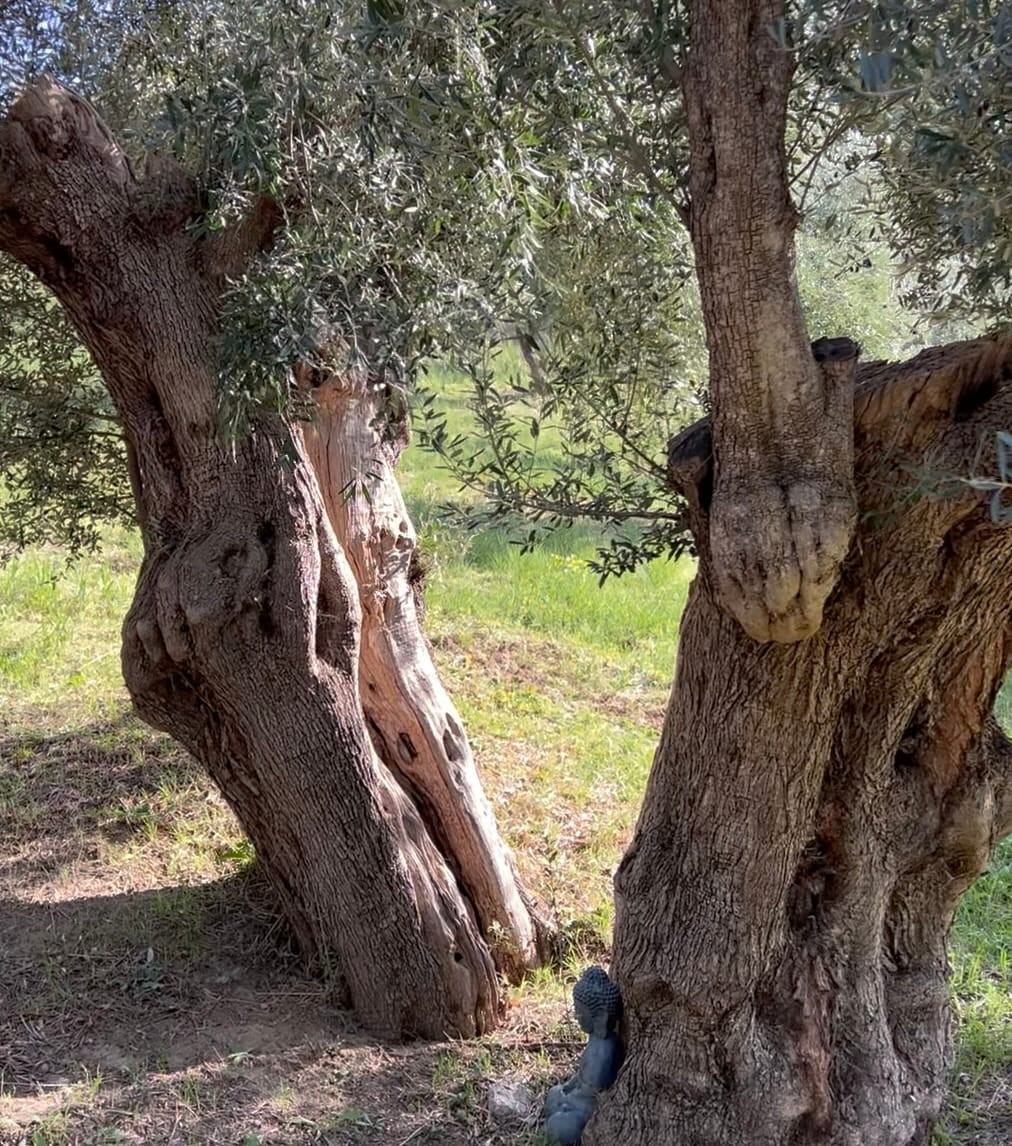
Elena and Andrea, a couple from Rome and Milan. Andrea drove past an olive grove with a Vendesi sign and just knew. The patriarch—a massive olive tree planted when Galileo lived—rules the grove. They bought the land, and now they make olive oil, and when their friends come to visit from Milan, they can’t sleep for the silence.
For all of these people — whether their family moved across the sea, or they were born here, or they choose to make it their home — Basilicata is their paese.
I don’t have the words to tell you why these people love Basilicata—but I will try to show you. I’m going back in October, to listen for more stories.
If you can, go to Basilicata. Let these stubborn, generous women and men welcome you.
Originally published on Giuditta’s Substack →
Get a new story like this every two weeks.
SubscribeYou’re subscribed!
A welcome email should arrive within the next minute or so. If you don’t receive the email, please check your spam folder.
Can I ask you to do me a favor? Please click the “confirm” button in the email. That way, I’ll know it reached you.
Feel free to reach out to me with any questions.
Thank you!
— Giuditta ()
PS: Add my email () to your contacts and you’re guaranteed to receive my newsletter.
Unsubscribe anytime; I’ll never spam you or share your address.