Two sisters making zeppoli and nacatoli with love
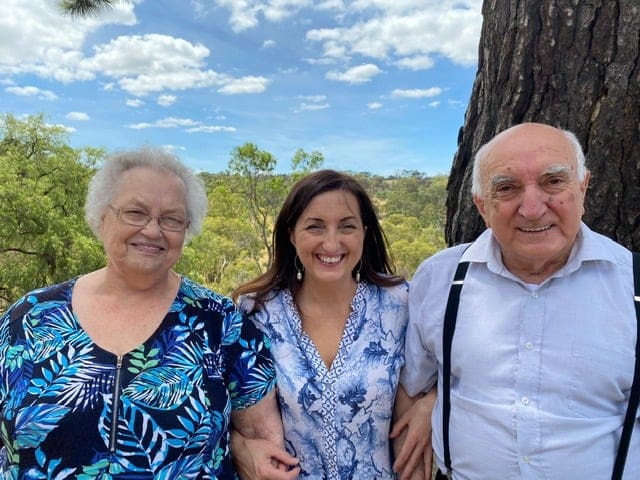
My mother Caterina was 13 when she crossed the ocean with her little sister Elisa— from Calabria, Italy to Melbourne, Australia
Jump to Franca’s recipes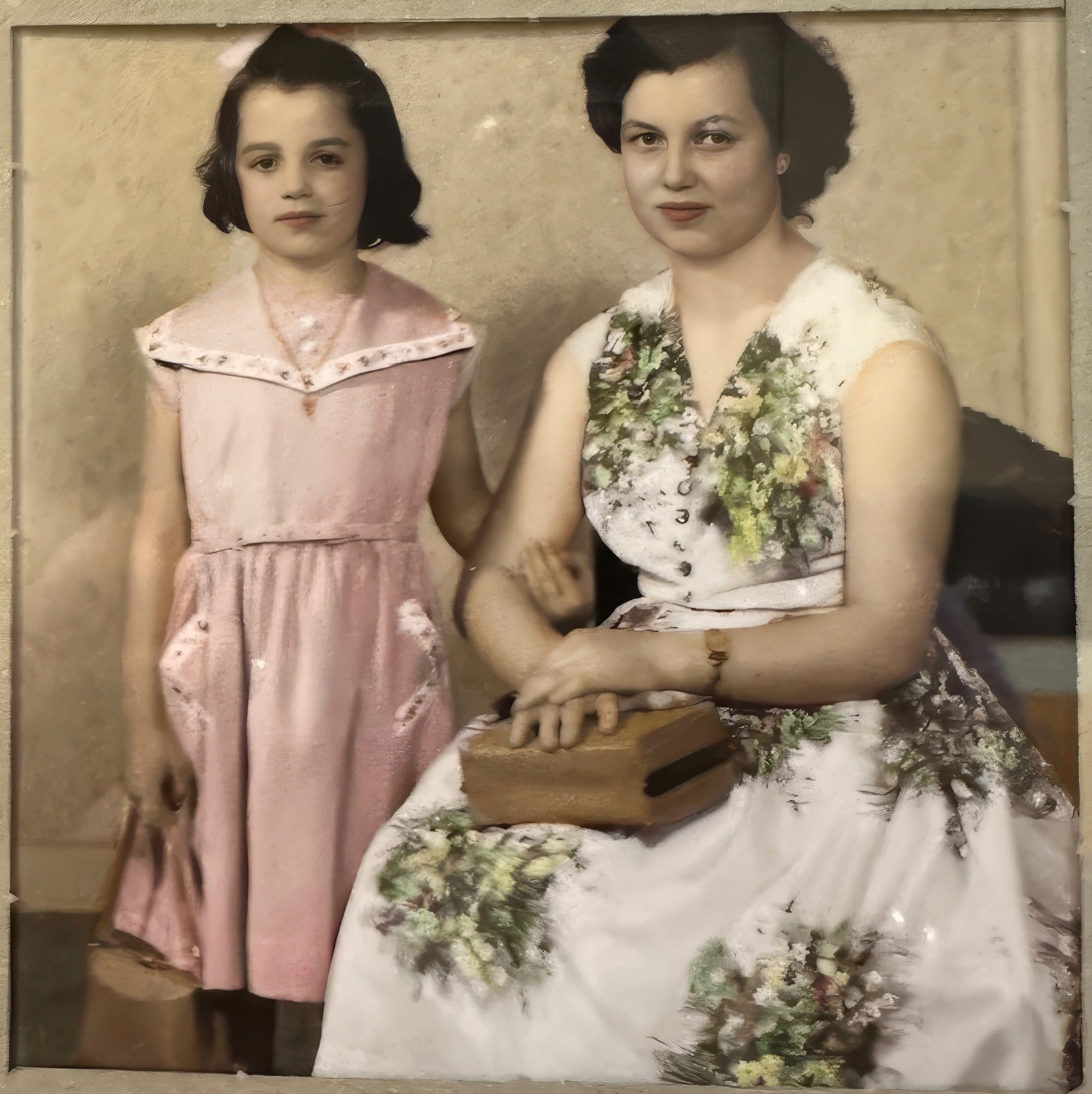
My father left Viggiano, Basilicata for Australia in 1951, when he was only sixteen. He came to join his uncles and aunties who were already in Carlton. I like to imagine that he was fearless as he crossed the wide ocean to a strange land—youth is a wonderful thing!
His parents and his only sister stayed behind in Viggiano. They planned to follow him, but then his sister married, and they never came. I wonder—would I have let my child go alone like that? I still struggle with that question. But who am I to judge? The times were hard in Italy then, and I know his parents just wanted my father to have the very best opportunities.
Dad had been an apprentice tailor in Viggiano, so he went to work for a suit maker in Carlton. He enrolled in night school to study English.
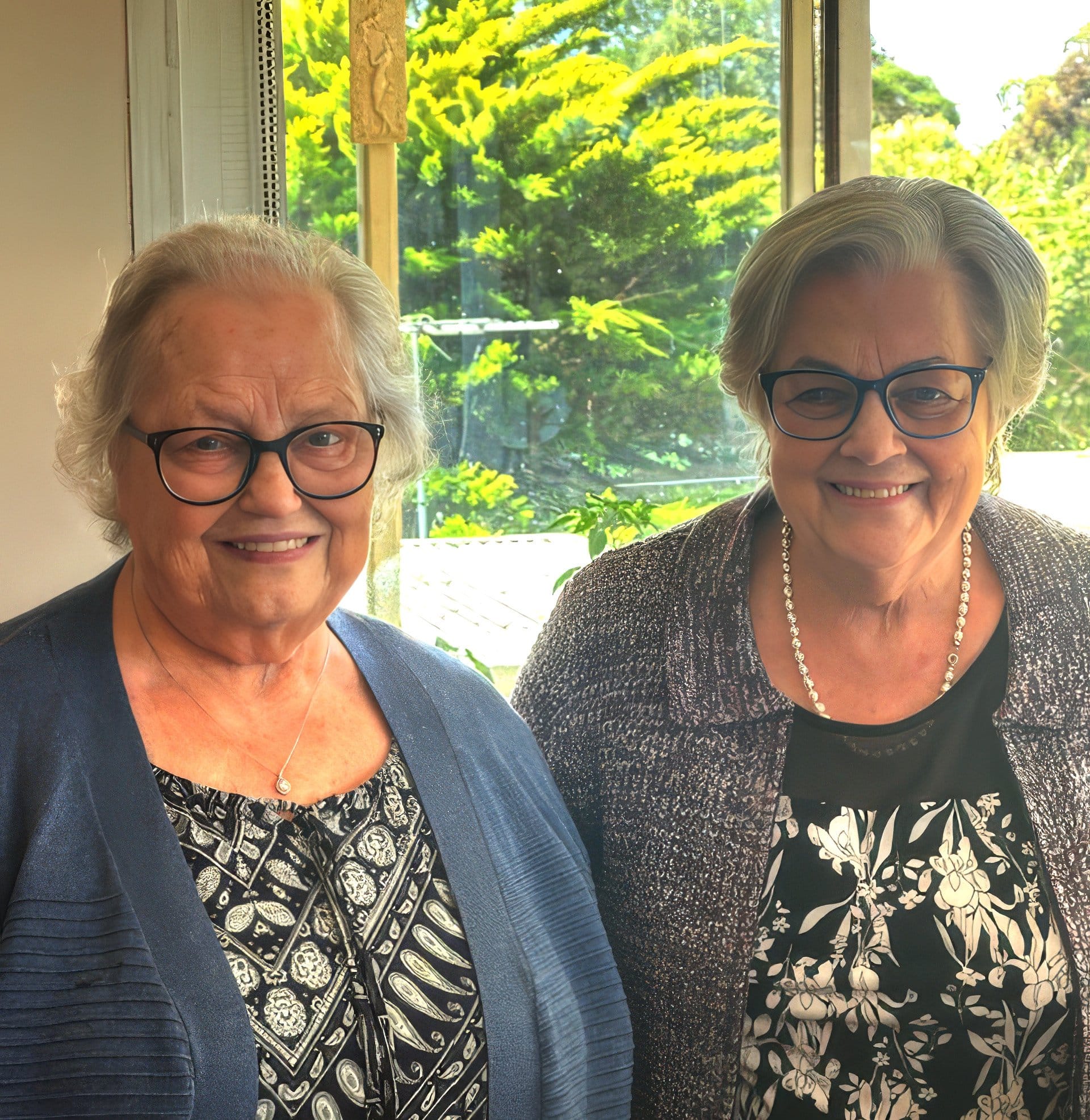
My mother came to Australia four years later, in 1955, from Laureana di Borrello in Calabria. She was only thirteen. She came with her mother and her sister; her father and her two brothers were already here. Her grandfather had come way back in 1923 to do farm work. He was alone here until Mum and her family arrived.
Mum tried going to school, but it was really hard because she couldn’t speak English. A Jewish neighbour who had a clothing factory gave her a job on a sewing machine and taught her everything about sewing and clothing.
My parents met through a family friend, and got married. Dad was thirty. Mum's big Calabrese family welcomed him with open arms. With all her family here in Australia, sometimes it felt we were more Calabrese than Lucanian!
In 1978 Mum and Dad set up their own clothing business in Brunswick, which was then a hub of the “rag trade” (that’s what we call clothing and textile manufacturing). They worked so hard! Then, starting in 1988, I worked with them, making school uniforms. Around 2000, an influx of uniforms from overseas forced us to close the business. I started a textile business of my own, making items for Aged Care. My parents helped me a lot. Then cheap imports forced me to close my business too, and Mum and Dad officially retired.
Dad always loved his work.
I moved in with Mum and Dad in 2020, after they both had been in hospital for a long time with Covid. With God’s help, they recovered, but it was slow, and they needed one-on-one care.
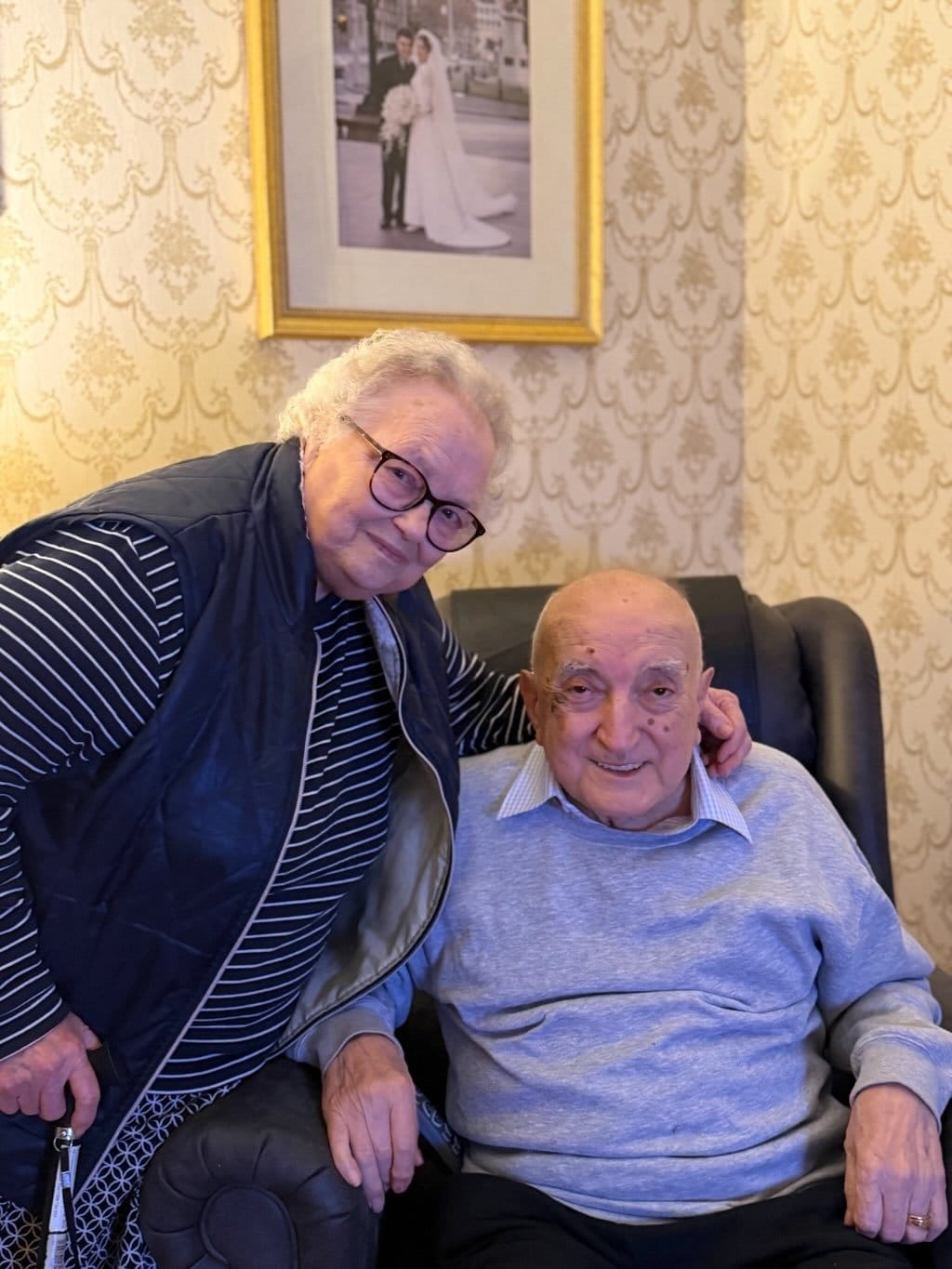
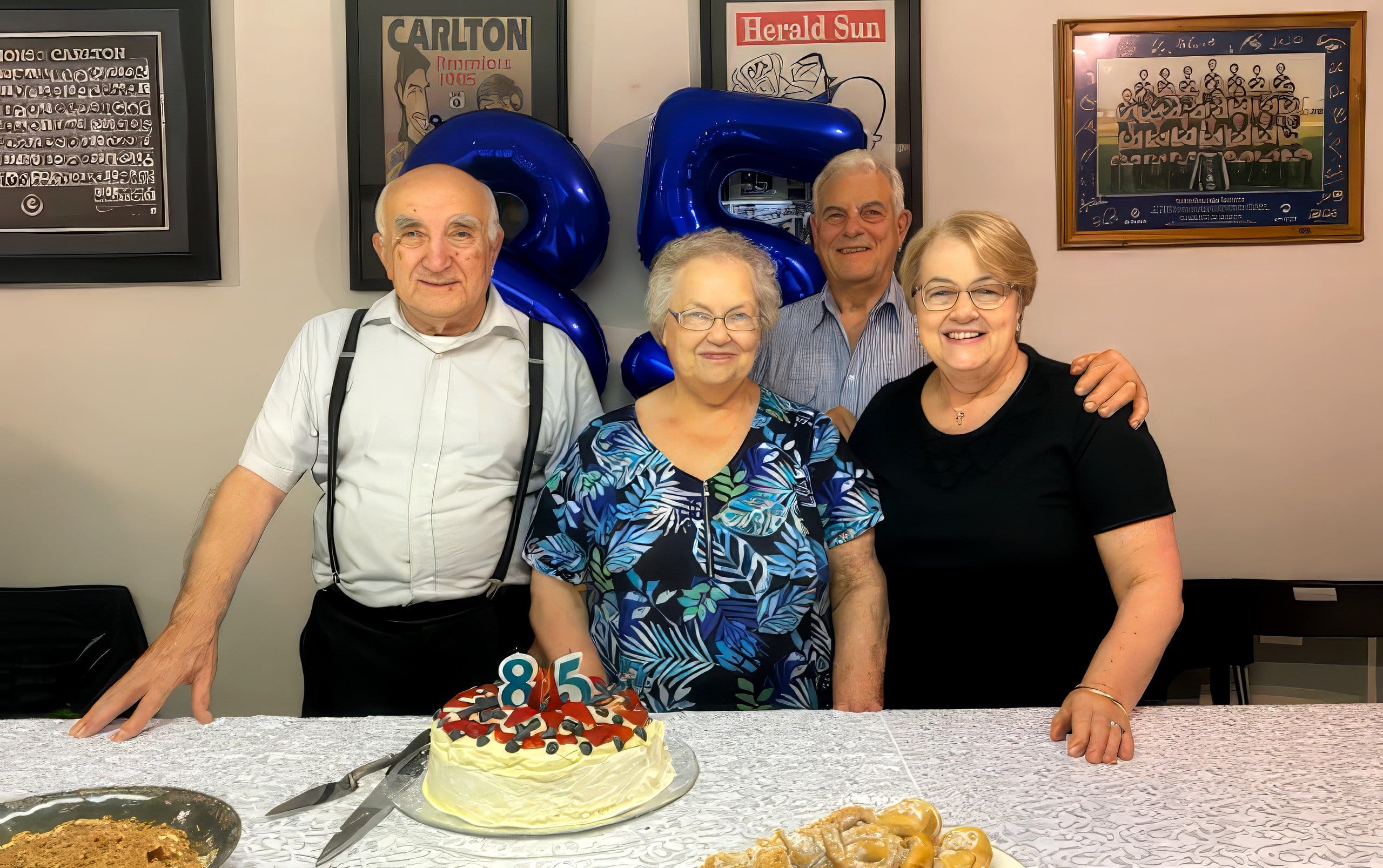
It’s been a long journey. Dad will be ninety-two in January; Mum turned eighty-five in May. They have been married for sixty years! Aging and illness have brought many challenges, but they always push through. That’s what they have done all their lives. I'm so proud of them.
I’ve been to Viggiano just once, at Christmas in 1984, when I was eighteen and Dad’s parents were still alive. But I’ve stayed connected to Viggiano through my cousins.
There are two things I would still like to do. The first is to travel to Calabria with my cousin (Mum’s sister’s daughter), so we can see it together. The second is to travel to Viggiano for the Festa della Madonna. The Black Madonna’s story is amazing!
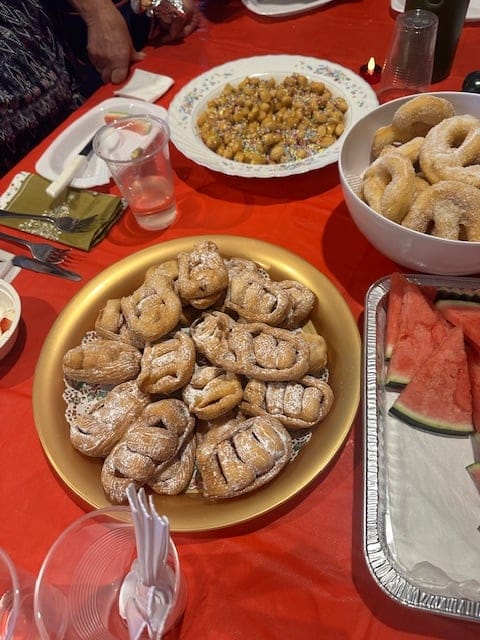
I'm sharing my Mum's recipe for zeppoli and my Aunty's recipe for nacatoli. There is something so special about seeing a platter filled with zeppoli and nacatoli. The moment we see them, we all know it is a special day, and that my Mum and my Aunty have gone to so much time and effort to make the occasion extra special for all of us. It is their way of showing us how much they love us and how special we are to them—special enough to make all the work that goes into preparing them worthwhile. And in return, we appreciate them and love them both so very much.
These recipes are made every Christmas and for all our other special occasions. I cannot remember a birthday, baptism, Christmas or Easter without zeppoli or nacatoli. They are part of our family, and a tradition that brings back so many beautiful memories of our Nonna and Nonno, and all the special days we shared together at their house.
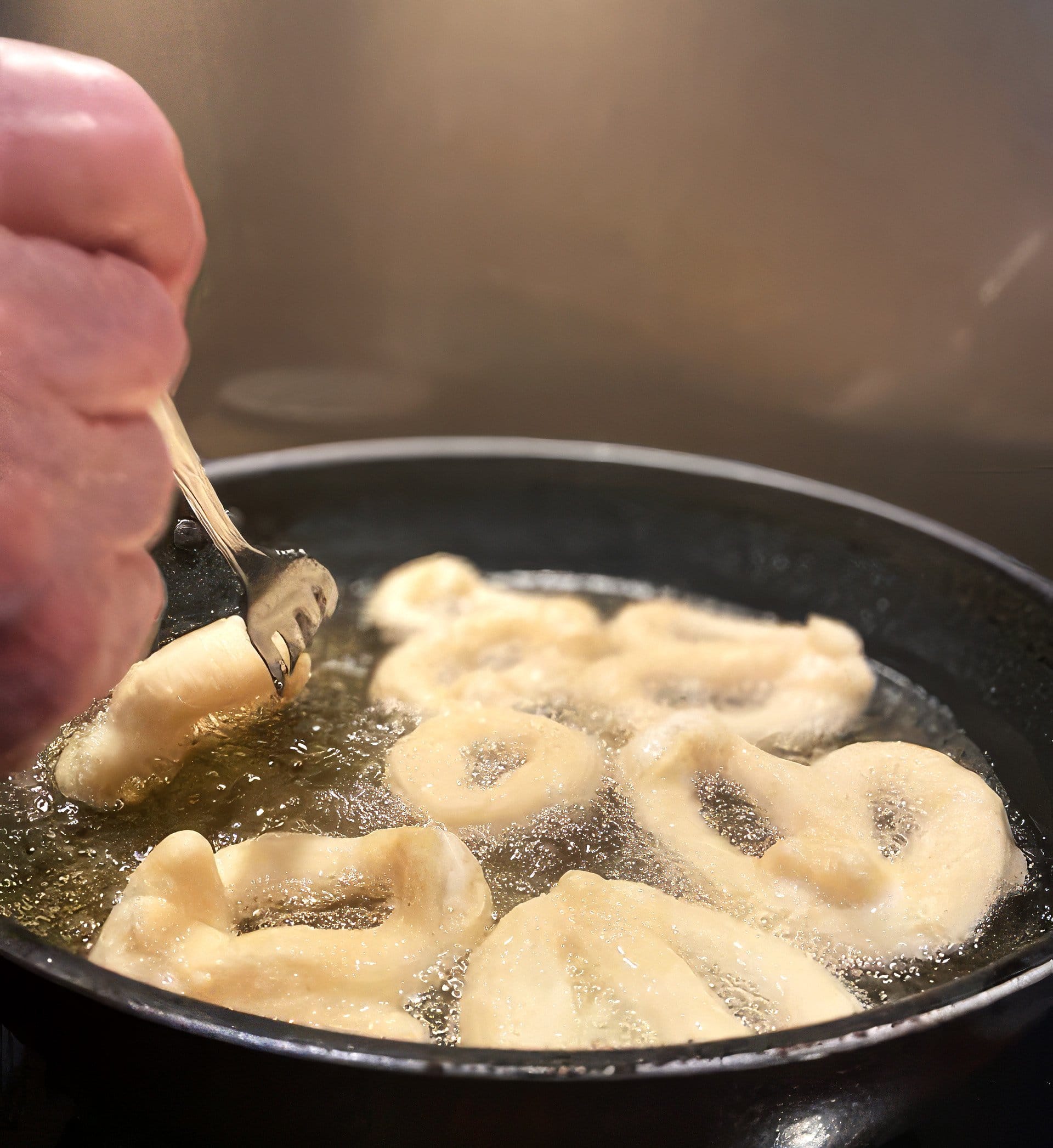
The night before a special occasion, there is always such a buzz in the air as we get ready to make them the next day. I have been helping my Mum for some years now, and my uncle helps my Aunty—we all know the drill. The same utensils and bowls are used every time, and every step is done with precision and attention to detail, to make sure they turn out just right.
To make the pattern on the nacatoli, Mum and my Aunty press the dough against the side of a cane basket. Those baskets belonged to their grandmother in Calabria, who passed them on to their mother—my grandmother. Now Mum and my Aunty have one each. They are over one hundred years old.
Over the years, it has become really important to me to keep these traditions and recipes alive. In a world that is forever changing, these two recipes have stayed the same. They connect us to our past, to our Nonna and Nonno, and to the beautiful family memories that we continue to create together.
For my family, making zeppoli and nacatoli is not just about following a recipe. It is about keeping a little piece of our family history alive, and making sure that the love, memories and traditions passed down to us continue for generations to come.
Get Bitter Honey recipes and stories in your inbox.
You’re subscribed!
A welcome email should arrive within the next minute or so. If you don’t receive the email, please check your spam folder.
Can I ask you to do me a favor? Please click the “confirm” button in the email. That way, I’ll know it reached you.
Feel free to reach out to me with any questions.
Thank you!
— Giuditta ()
PS: Add my email () to your contacts and you’re guaranteed to receive my newsletter.
Unsubscribe anytime; I’ll never spam you or share your address.
Bitter Honey will always be free for everyone. —Giuditta
My mother’s zeppoli
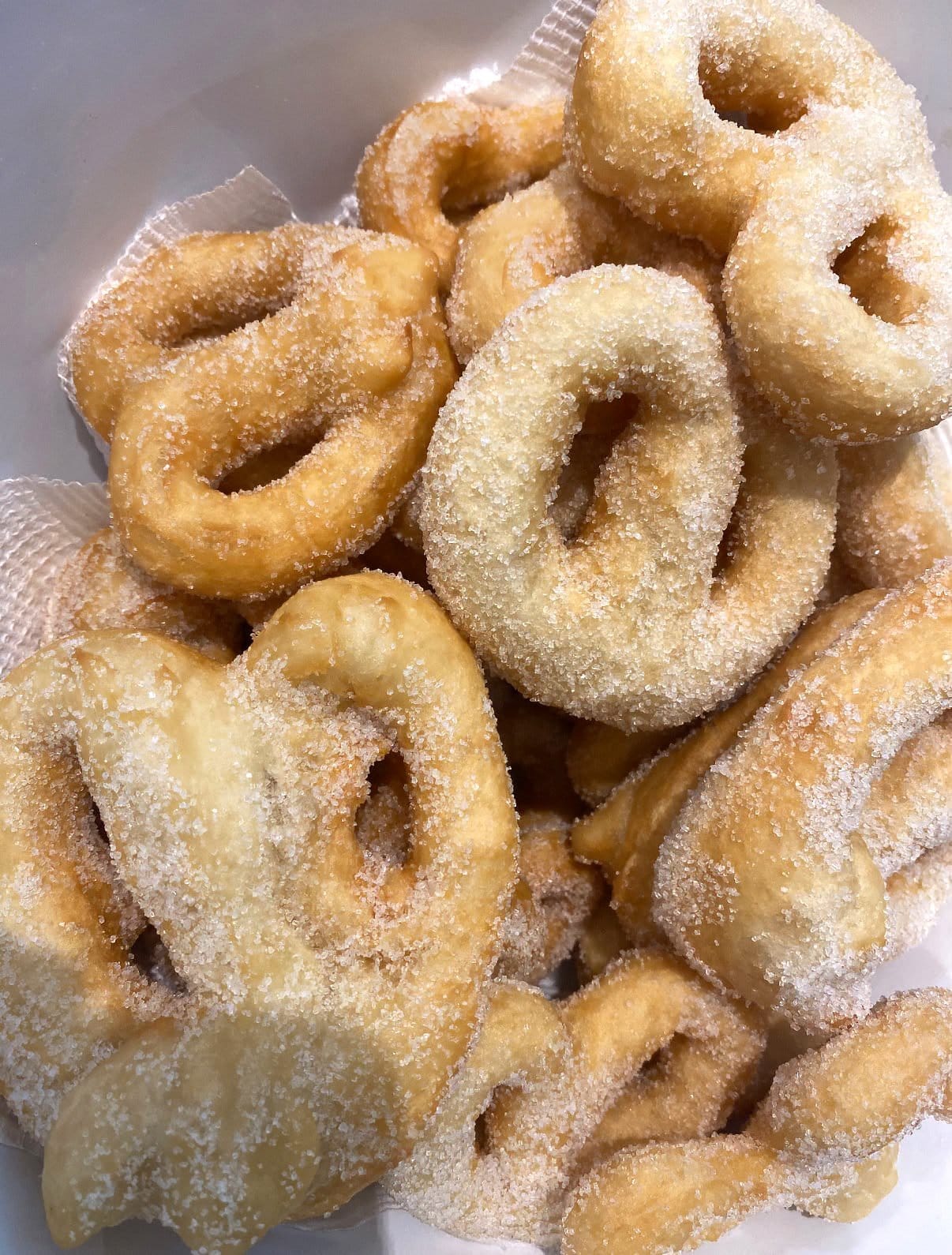
Mum’s recipe—I’ve been helping her make these for years. The dough rises overnight in the fridge, so start the day before.
- 1 kg plain flour
- 1 sachet (7 g) dried yeast
- ½ cup (125 ml) olive oil
- a pinch of salt
- 450 ml warm water
- canola oil, for frying
- white sugar, for coating
- Stir the yeast, olive oil and salt into the warm water and leave it for about 10 minutes, until a frothy layer forms on top.
- Add the wet mixture to the flour, mix well, and knead for about 10 minutes, until smooth. Put the dough in a covered tub and let it rise overnight in the fridge.
- The next day, knead the dough again and let it stand for 15 minutes.
- Cut the dough into strips and roll each one into a rope about 1 cm thick and 25 cm long. Twist each rope into a pretzel shape.
- Heat plenty of canola oil, about 5 cm deep, until very hot (about 180°C). Fry the zeppoli a few at a time, in the order you shaped them, turning once, until golden—2 to 3 minutes a side.
- Drain on paper towels. While they’re still hot, toss them in sugar—or leave them plain.
My Aunty’s nacatoli
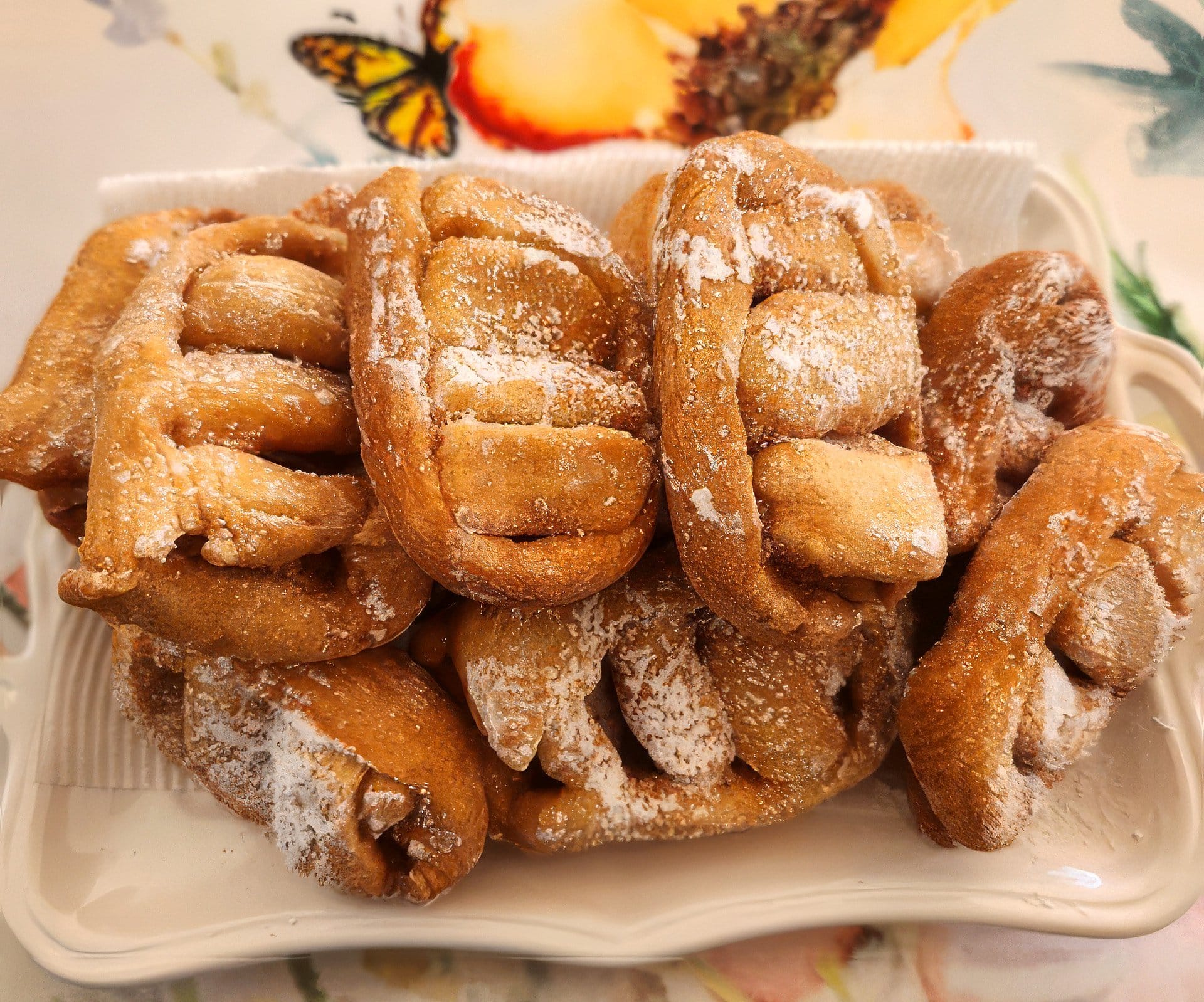
My Aunty Elisa’s recipe—my uncle is her helper. Copha is the solid coconut fat Australians use in baking.
- 6 eggs
- 1 cup (220 g) white sugar
- 1 small vial of anise essence
- 6 tablespoons olive oil
- 6 tablespoons Copha (or lard), melted and cooled
- about 4 cups (600 g) plain flour, as needed
- oil, for frying
- icing sugar, for dusting
- Beat the eggs and sugar together, then mix in the anise essence, the olive oil and the cooled Copha.
- Add flour a little at a time—about 4 cups—until you have a soft-to-medium dough that no longer sticks to your hands. Knead until smooth.
- Cut the dough into strips and roll each one into a rope about 1 cm thick.
- Shape each rope using a wooden rolling pin: wind it closely around the pin three or four times. Before sliding the coil off, gently press it against the side of a cane basket to imprint the woven pattern. Slide the coil off, lay it on its side, and bring the tail of the rope back along the length of the coil and around both ends to hold it together.
- Fry a few at a time in very hot oil (about 175°C), turning once, until golden—3 to 4 minutes in all.
- Drain on paper towels and, once cool, dust generously with icing sugar.
All photos courtesy of Franca.
Others remember
What people said after reading Franca’s story
In our town we make zeppolis with anchovies inside—not sweet. The nacatoli are exactly the same. My mom made them only at Christmas. Every town in Calabria make the zeppole differently. In my family we didn’t like things too sweet. It’s nice to see the stories of people who left their roots for a better life!
The Bitter Honey Project
The recipes the women and men of the Italian diaspora carried across the water, and the stories behind them.
Recent posts
 My mother’s torrone di mandorle
The aroma of Christmas
My mother’s torrone di mandorle
The aroma of Christmas
 How I learned to love fave e cicoria
My mother's dandelion greens
How I learned to love fave e cicoria
My mother's dandelion greens
Get Bitter Honey recipes and stories in your inbox.
You’re subscribed!
A welcome email should arrive within the next minute or so. If you don’t receive the email, please check your spam folder.
Can I ask you to do me a favor? Please click the “confirm” button in the email. That way, I’ll know it reached you.
Feel free to reach out to me with any questions.
Thank you!
— Giuditta ()
PS: Add my email () to your contacts and you’re guaranteed to receive my newsletter.
Unsubscribe anytime; I’ll never spam you or share your address.
Bitter Honey will always be free for everyone. —Giuditta
Do you have a recipe? .My dream is to connect our hometowns in Italy with all the places we ended up—through the recipes of our mothers and grandmothers.— Giuditta
Share this post