Acri
Calabria
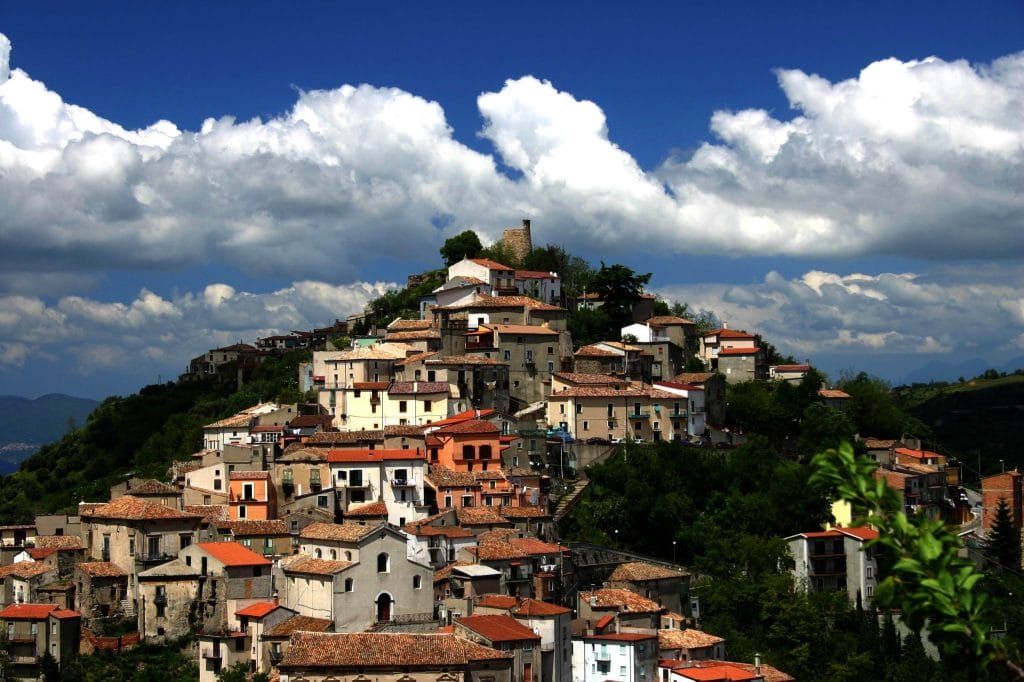
Acri is a town of about 18,000 people in the province of Cosenza, at 720 metres where the Sila meets the Crati valley. Its farms grow olives, chestnuts, walnuts and cherries, and the town has a long tradition of salumi. Until the 1940s it also raised silkworms for silk.
Between 1830 and 1912 at least 2,981 people from Acri arrived in the United States, and the numbers were still rising when the records end: 445 arrived in 1912. Their names incuded Ferraro, Sposato, Fusaro, Luzzi, Falcone, Gencarelli, Capalbo, Ferrara, Algieri, and Cafone. One of them was Angelo Siciliano, who came to Brooklyn with his mother as a boy and became the bodybuilder Charles Atlas.
Shawna Ferrato lives in New Jersey. Her mother's family emigrated from Acri:
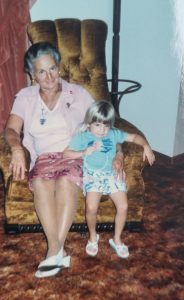
Mary Viola (my father’s mother, my Nonnie) was the oldest girl of twelve children born to Italian parents who emigrated from Acri, Cosenza, Calabria to New Jersey. Nonnie never went past eighth grade—being the oldest girl, she put caring for her family first. But her love, wisdom, and green thumb live on in all of us.
Vincenzo Padula was a priest and writer from Acri. In the 1860's he produced a newspaper in Cosenza,Il Bruzio. Its column on the state of the people of Calabria described farm stewards, day labourers, shepherds, and millers.
Today the town has a museum of contemporary art in Palazzo Falcone, and its open-air amphitheatre hosts summer concerts and the Padula prize. Every 30 October Acri celebrates its patron, Sant’Angelo d’Acri, who was born in the town in 1669.