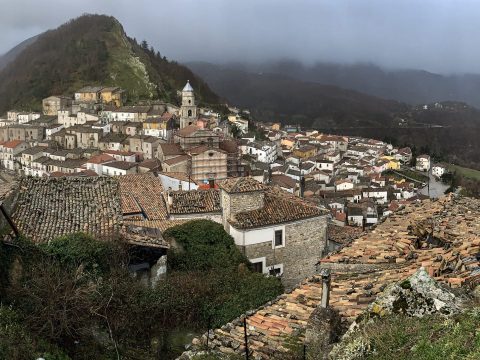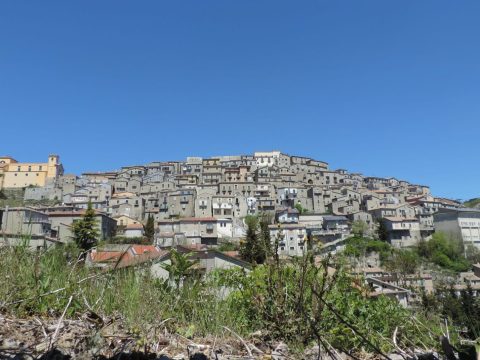
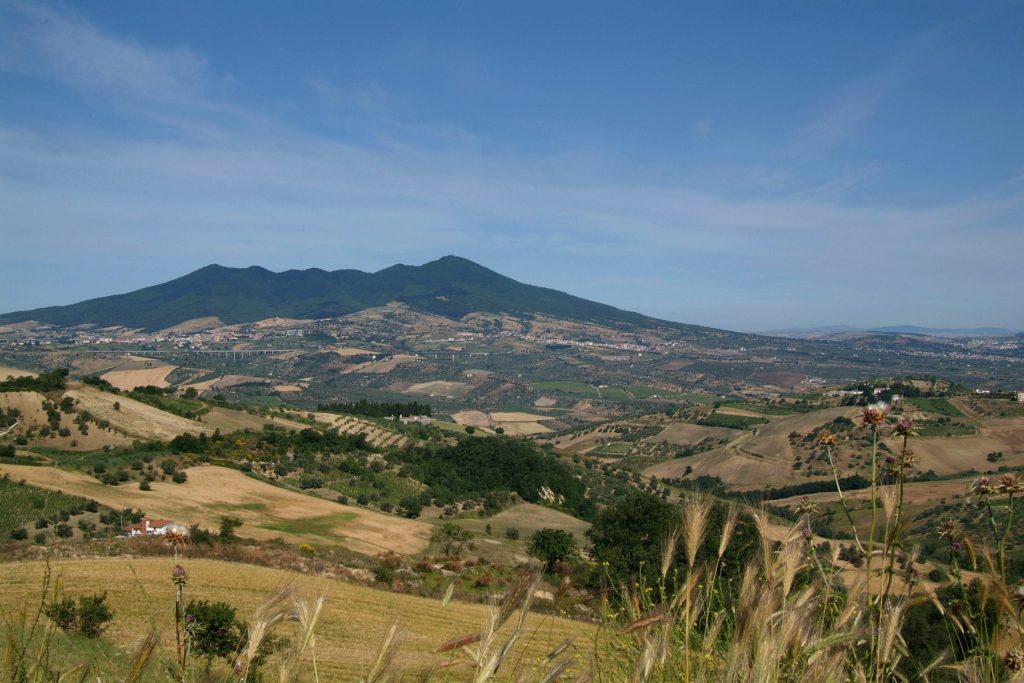
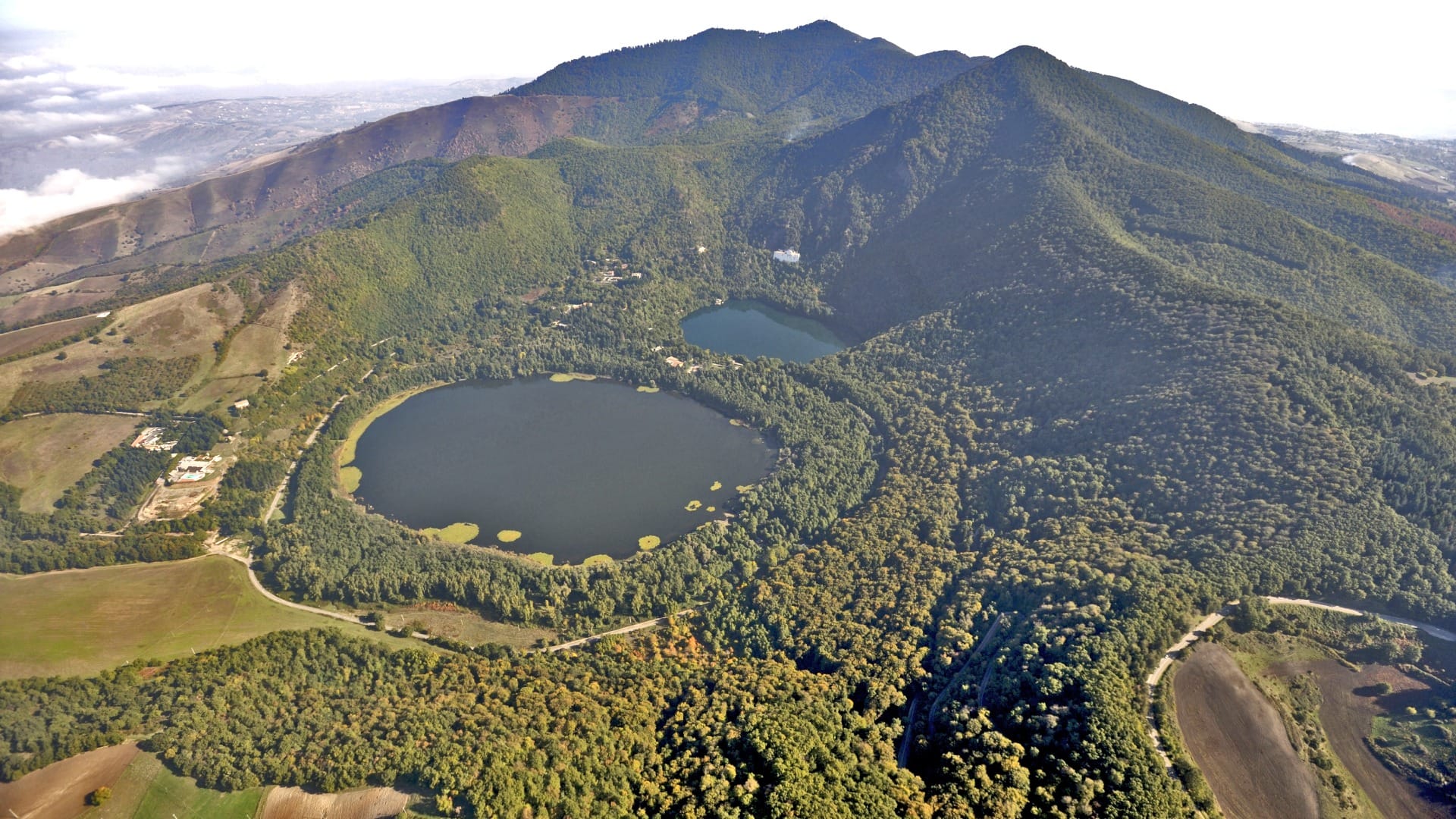
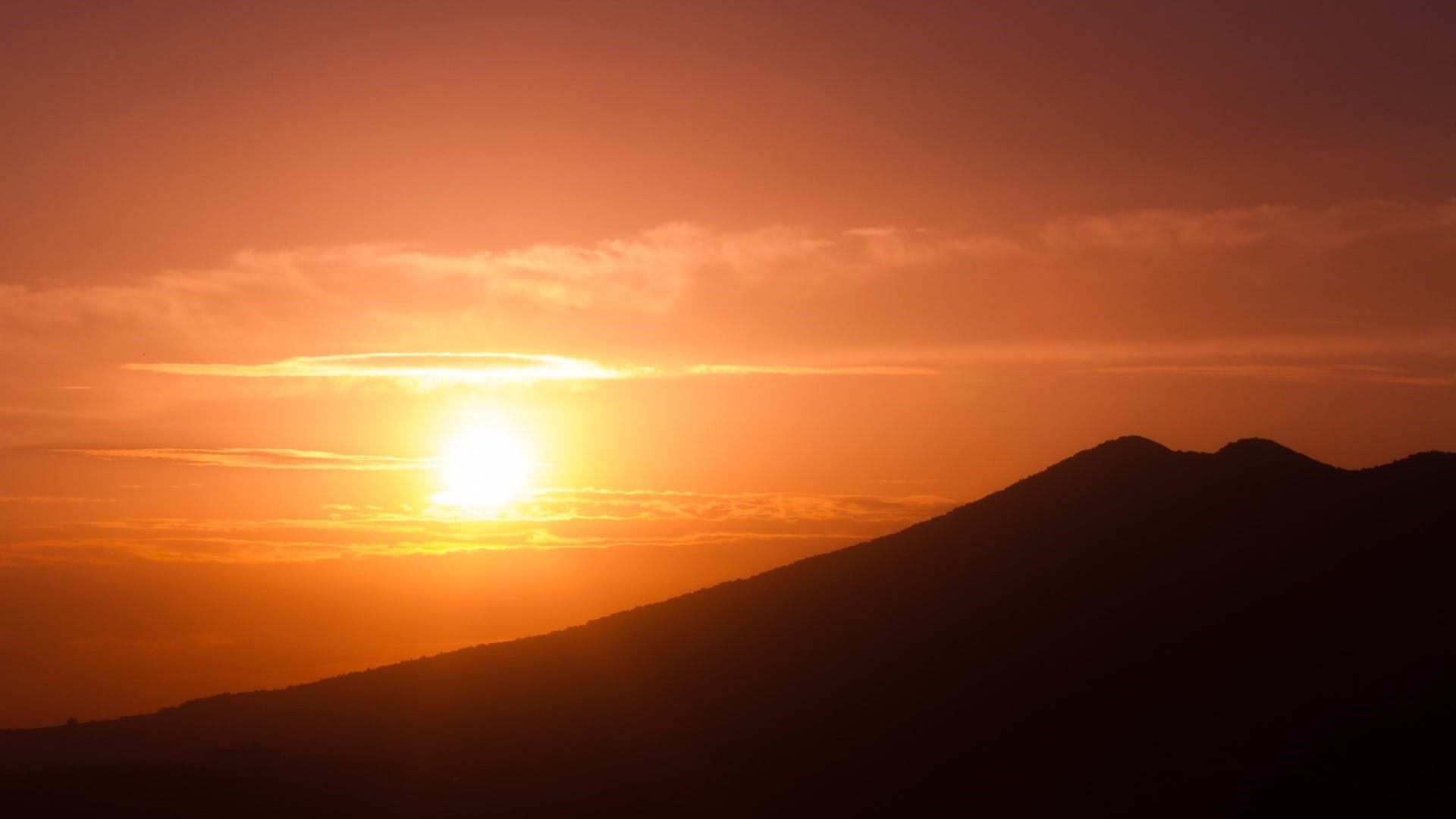
Monte Vulture is a 1,326-metre extinct volcano — the only one on the Adriatic side of Italy’s Central-Southern Apennines, last active roughly 130,000 years ago. Its twin craters now hold the Monticchio Lakes — Lago Grande and Lago Piccolo — surrounded by dense forests of oak, beech, and chestnut. The volcanic soil produces one of Italy’s greatest red wines.
Aglianico del Vulture
Greeks introduced viticulture here in the 6th century BC. The volcanic soil gives Aglianico del Vulture its characteristic depth — ruby red, aromas of red fruit with cloves, pepper, and licorice, firm tannins reflecting the minerality beneath. The grapes ripen slowly in the mountain microclimate, harvested late into November.
Elena Fucci in Barile produces the flagship Titolo from vines over 70 years old on the highest slopes. Cantine del Notaio in Rionero ages wine in 17th-century caves carved from tuff. In August, Barile’s underground cellars open for the Cantinando festival — wine, art, and music in chambers carved from volcanic rock.
The Monticchio Lakes
Twin volcanic lakes sitting in the craters on Monte Vulture’s southwestern slope. Lago Piccolo — greenish, fed by underwater springs, 658 metres above sea level — is a meromictic lake: mineral-rich hot spring water at the bottom never mixes with the surface. Lago Grande is olive green and up to 40 metres deep. The surrounding forest is home to wolves, wild boar, black squirrels, and the European owl moth.
The Abbey of San Michele Arcangelo
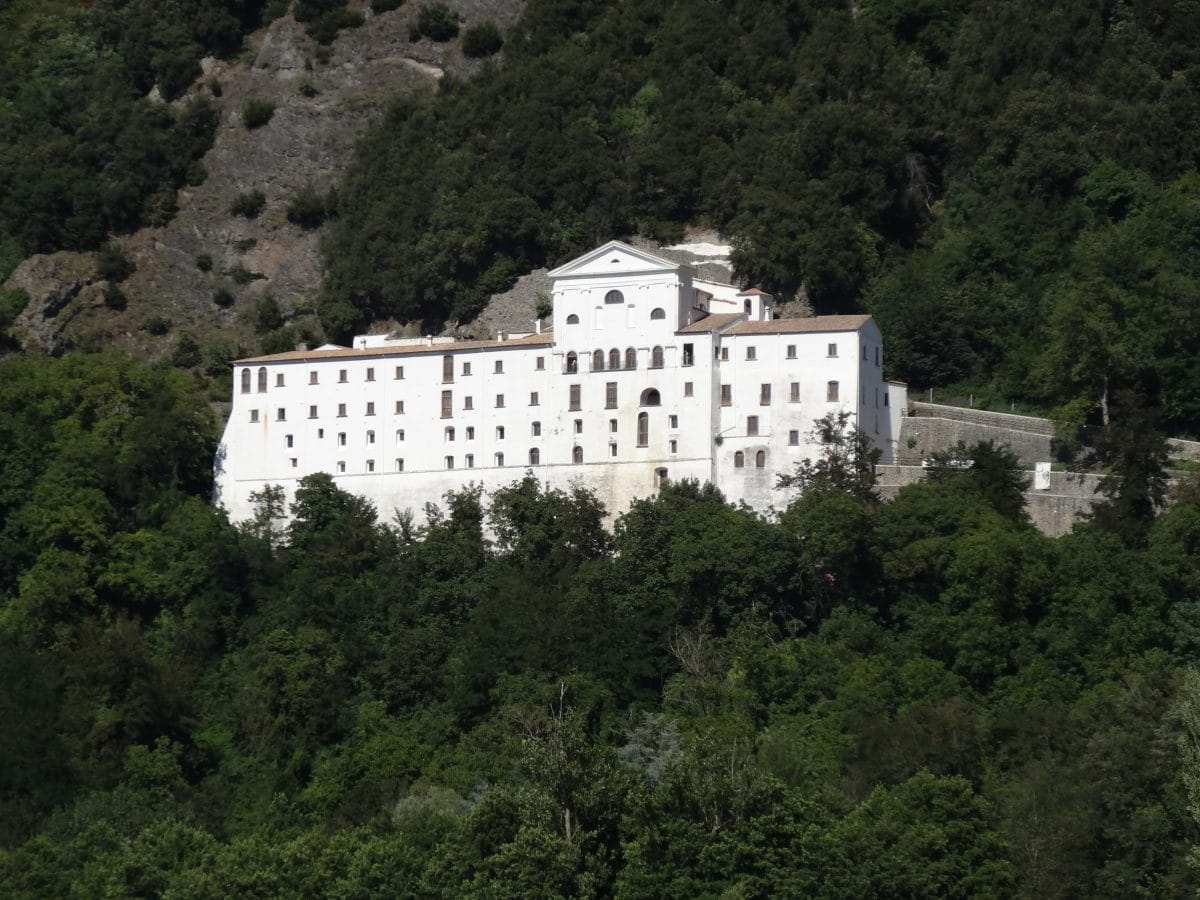
Built into the cliffs overlooking Lago Piccolo, founded in the 8th century around a sacred grotto used by Basilian monks. The abbey houses 11th-century frescoes and panoramic terraces looking down over the lakes. It passed from Basilian monks to Benedictines to Capuchins across a thousand years.
The Brigands of the Vulture
Carmine Crocco, born in Rionero in 1830, was the most famous brigand of Basilicata — roughly 2,000 men under his command, the Monticchio forests as his headquarters. After Italian unification, he led an uprising that was part revolutionary movement, part guerrilla war. The Museum of Brigandage in Rionero is housed in the former Bourbon Prison. You can walk the same trails the brigands used, starting near the Abbey of San Michele.
Melfi Castle
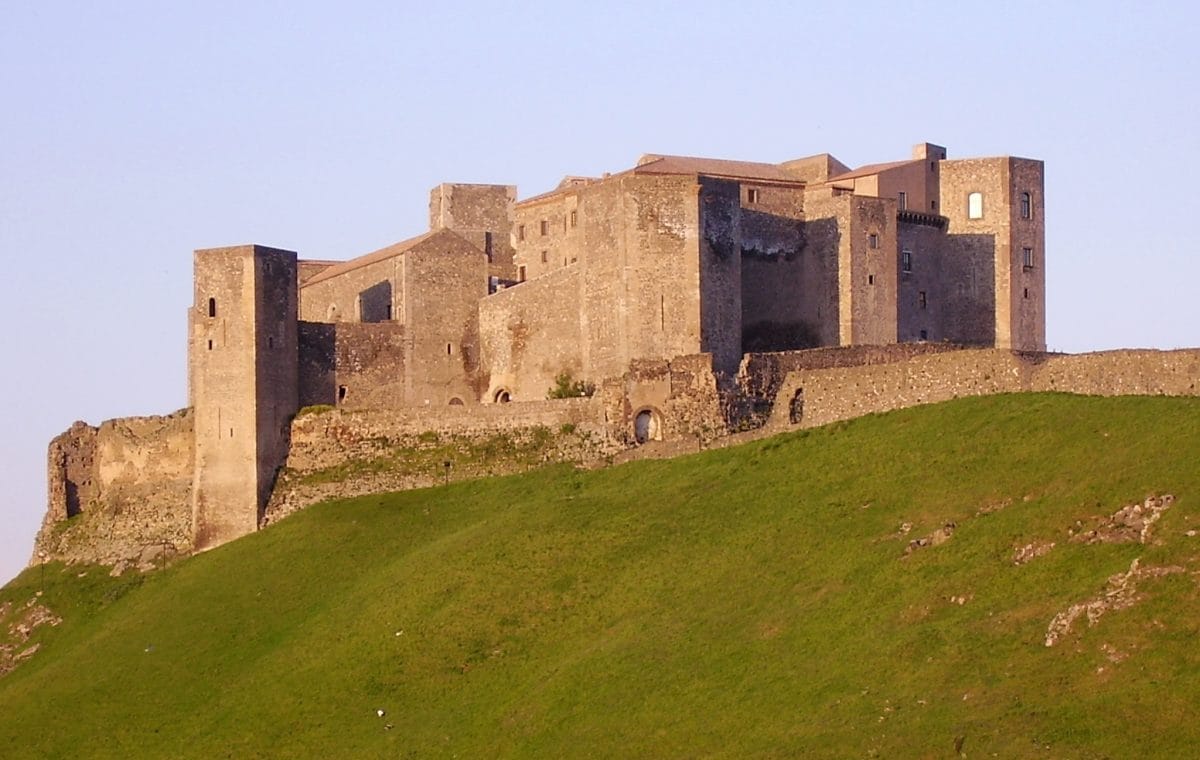
Monumental fortress with eight towers, built on Norman ruins and expanded by Swabians, Angevins, and Aragonese. Five ecumenical councils were held here — the Third Council in 1089, under Pope Urban II, approved the First Crusade. In 1231, Frederick II promulgated the Constitutiones Augustales — the first comprehensive medieval code of laws. The castle now houses the National Archaeological Museum of Vulture Melfese.
Venosa
Ancient Roman colony of Venusia, birthplace of the poet Horace. The Abbey of the Holy Trinity is one of southern Italy’s most important medieval monuments — over 1,000 years of history combining Roman, Longobardic, and Norman styles. The ambitious 12th-century expansion was never completed. The Incompiuta — the Unfinished — remains.