Campobasso
Molise
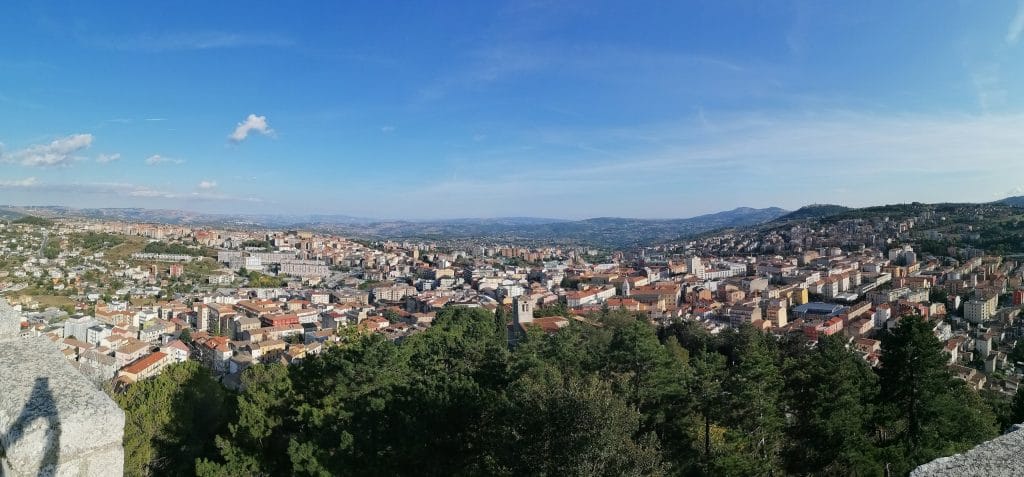
Campobasso is the capital of Molise, a city of about 47,500 people at 700 metres in the hills of the southern Apennines. Its smiths have made knives and scissors since the fourteenth century.
After Italian unification in 1861, imported grain undercut Molise’s wheat farmers, and peasants began to emigrate. Shepherds followed as transhumance (moving flocks between summer and winter pastures) collapsed. By 1912, at least 5,809 passengers had arrived in the United States from Campobasso.
After the Second World War a second wave left: about 260,000 people from the province between 1946 and 1986. Molise lost a fifth of its population between 1951 and 1971.
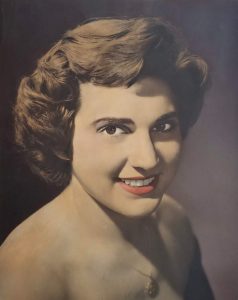
Shawna Ferrato lives in Wayne, New Jersey. Part of her family comes from Campobasso, including her great-grandmother Filomena:
Filomena was one of the oldest of a very large Italian family that immigrated through Ellis Island. Her husband, Gabriel Fuschillo, was born in Naples and came here much later. He was a truck driver in Jersey City.
Every June, on the feast of Corpus Domini, Campobasso carries its Misteri through the streets. These are thirteen processional “machines”, each four to six metres tall and weighing 400 to 600 kilos, on which living people pose as angels, saints and devils. The sculptor Paolo Saverio Di Zinno (1718–1781) designed them in the mid-1700s.