Growing up in Tuscany, the only story I heard about Basilicata was the story of poverty and emigration: as many as half a million Lucani gone to the Americas and the beyond. La vergogna d’Italia—the shame of Italy.
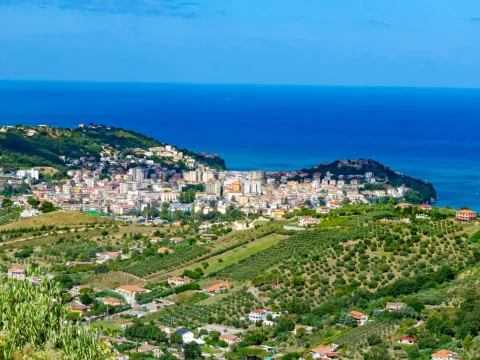
Basilicata is in Italy’s far south, in the arch of the boot. It is also known by its ancient name, Lucania, and its people are Lucani.
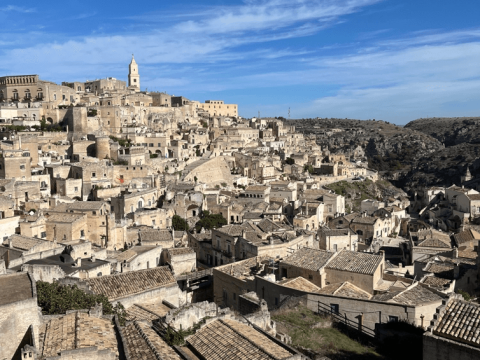
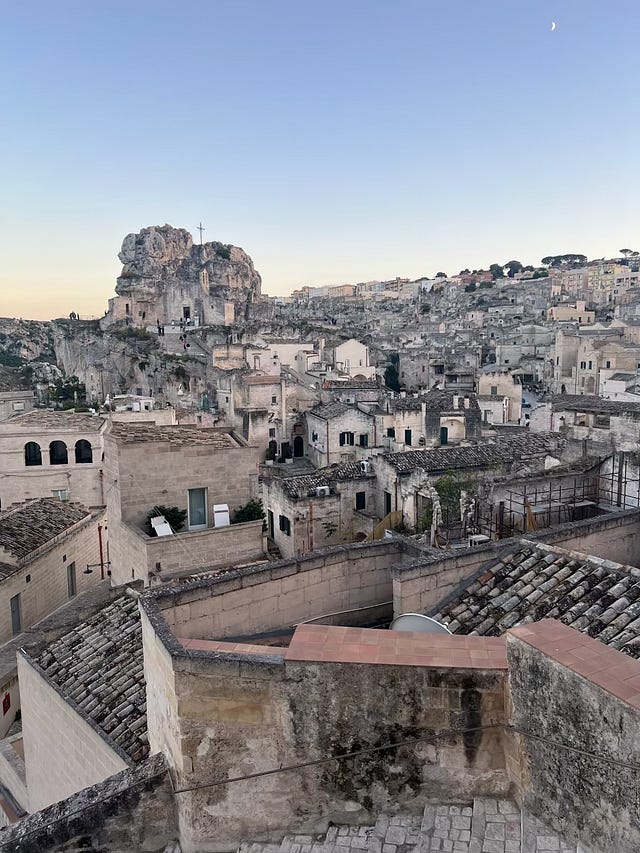
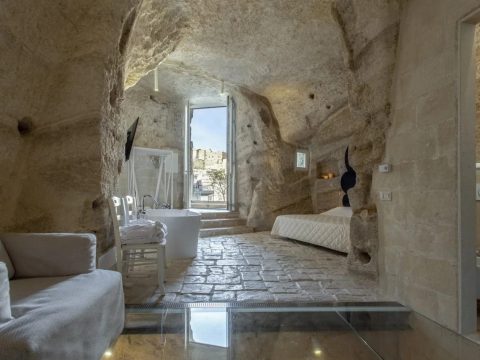
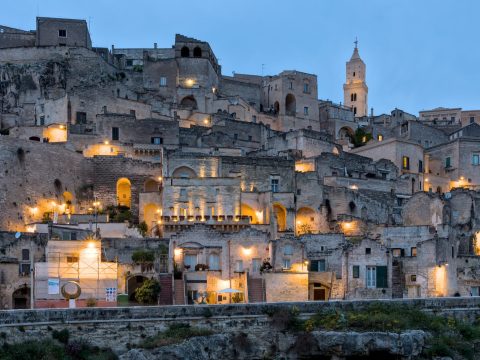
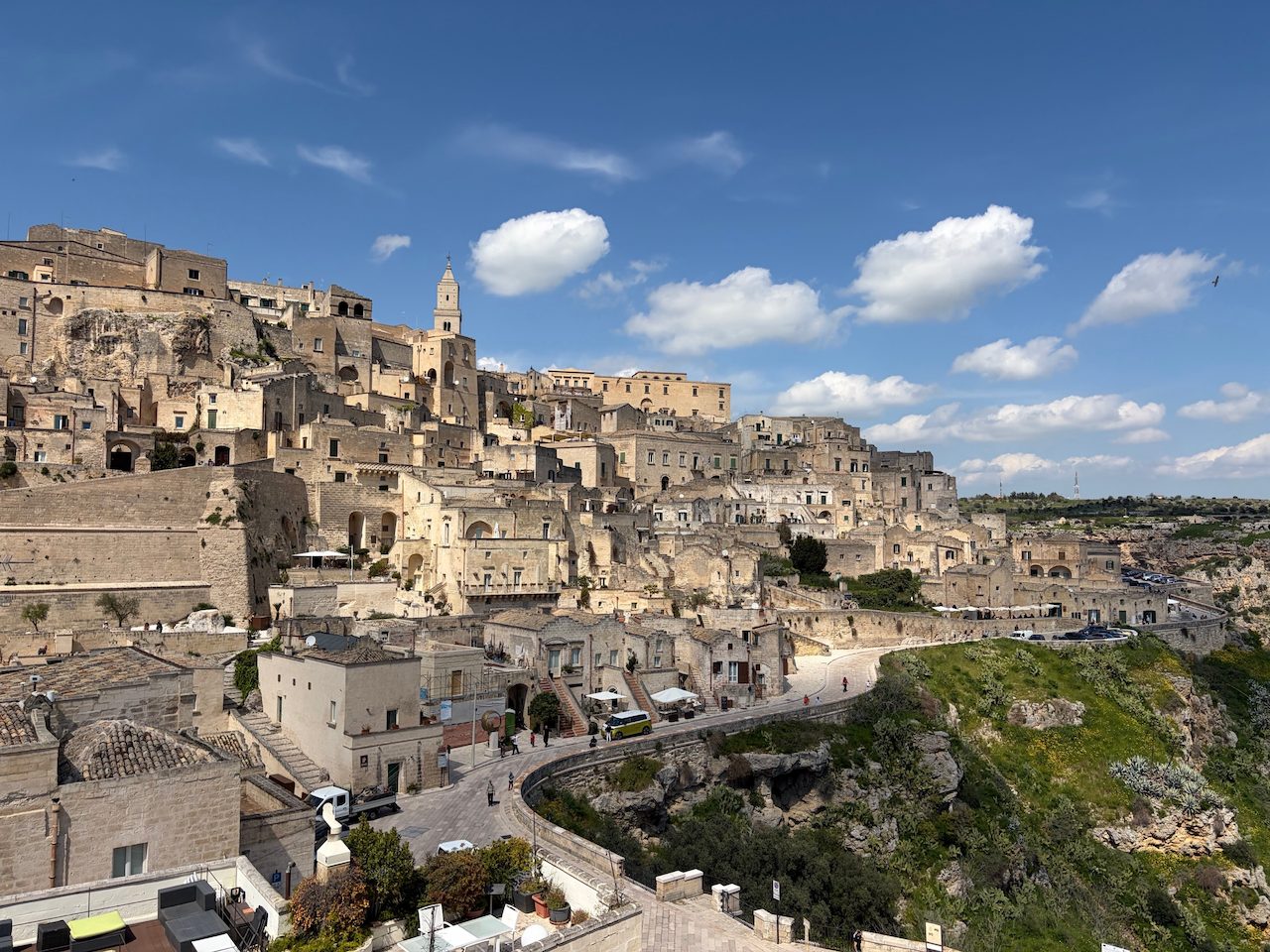
I went for the first time in October 2025, on a scouting trip with my friend Adele. Matera disoriented me completely. Looking down at the white walls, the canyon—it didn’t look like Italy at all. I could have been in Morocco. It gave me goosebumps.
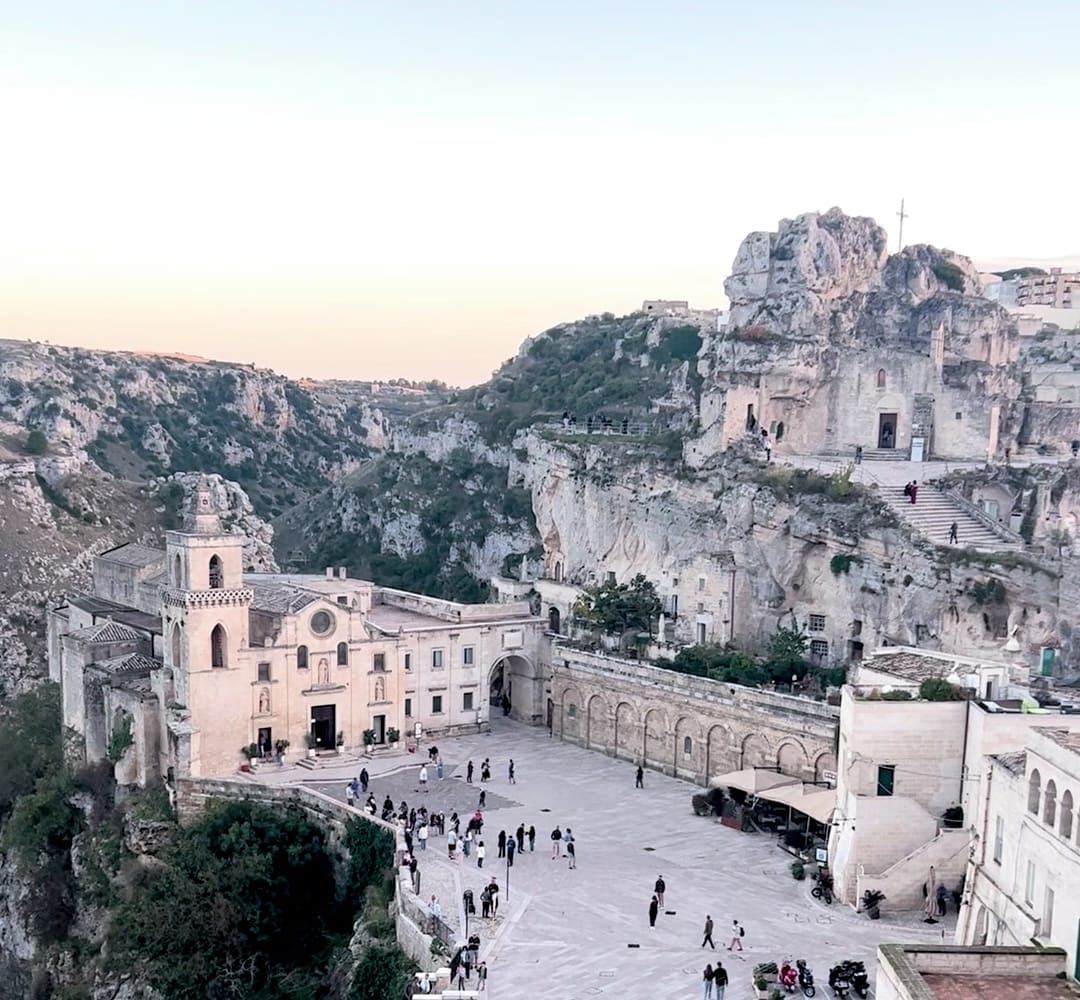
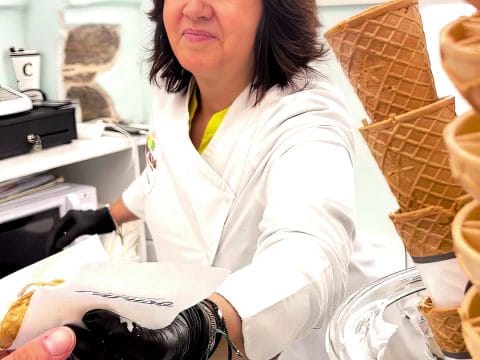
It was Patrizia, a baker in Matera, who corrected me. The shame, she told me, was never the people or how they lived—it was the politicians who ignored them in their poverty for so long. When the state finally acted, they ripped people from their homes in the raw rock, forcing them into sterile, modern apartments.
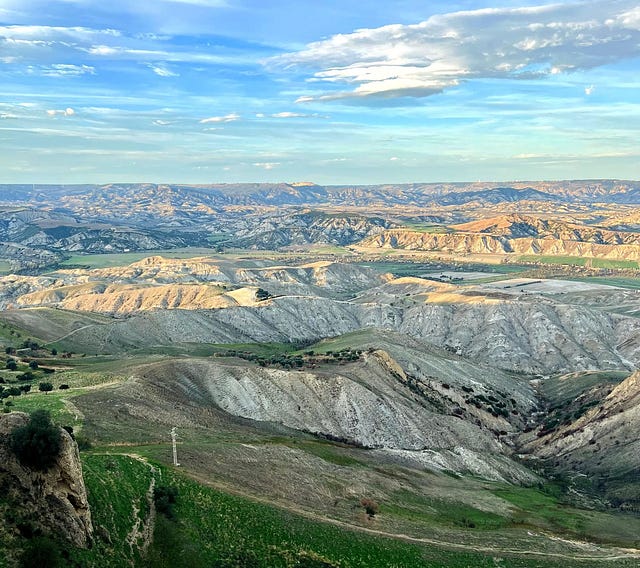
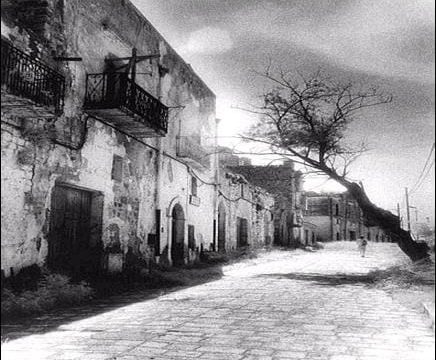
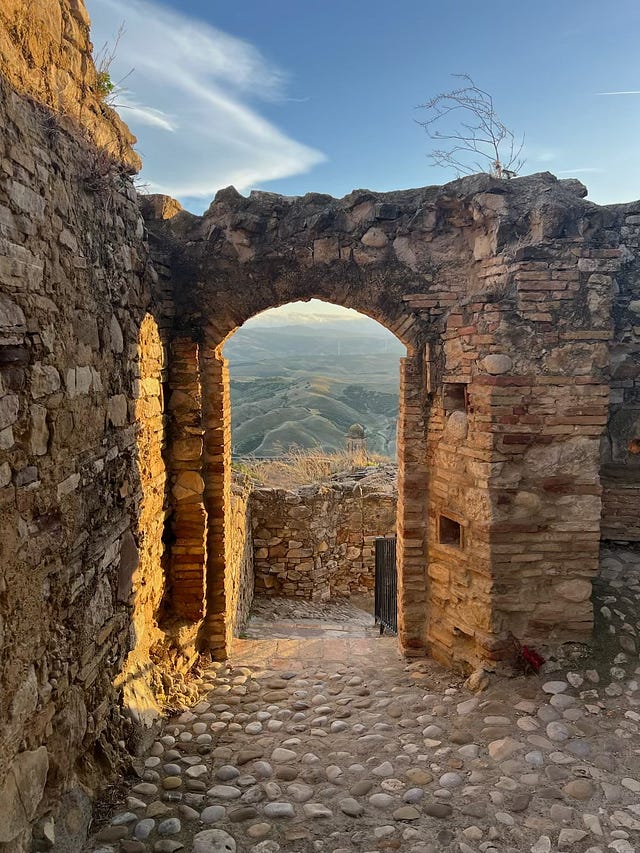
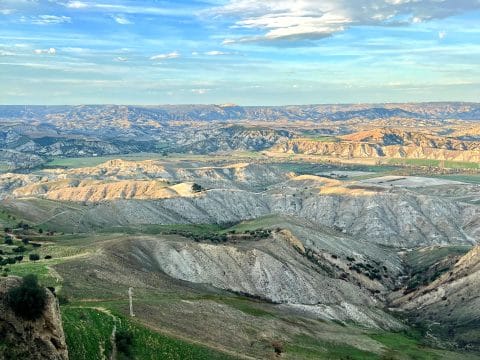
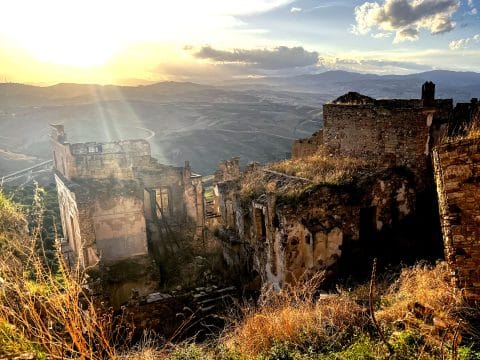
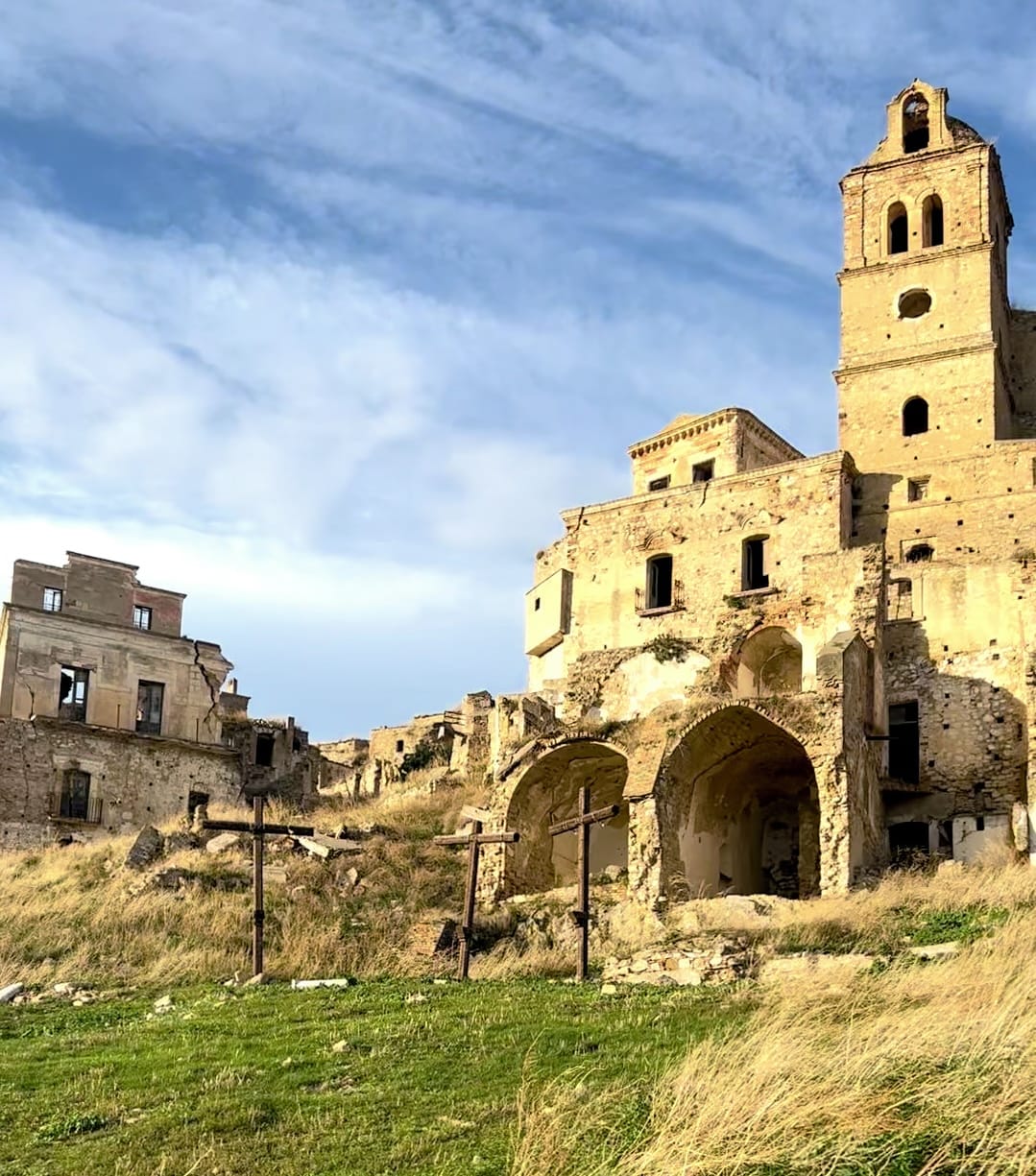
The tourists mostly come to Matera. Drive out of the city and everything changes. At first, you’re surrounded by the calanchi, bare clay gullies and razor-thin ridges. The Ghost Town of Craco was built on these unstable slopes.
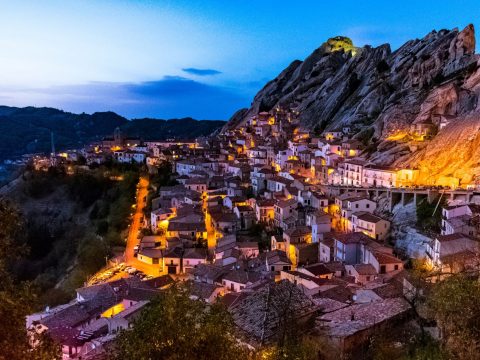
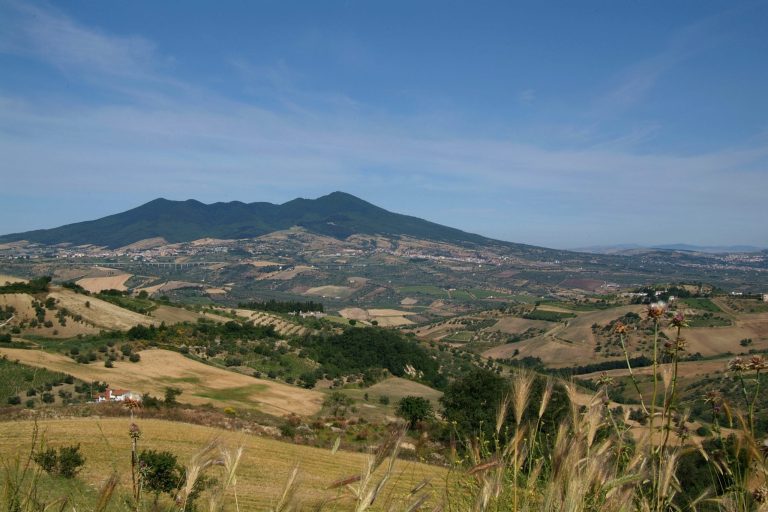
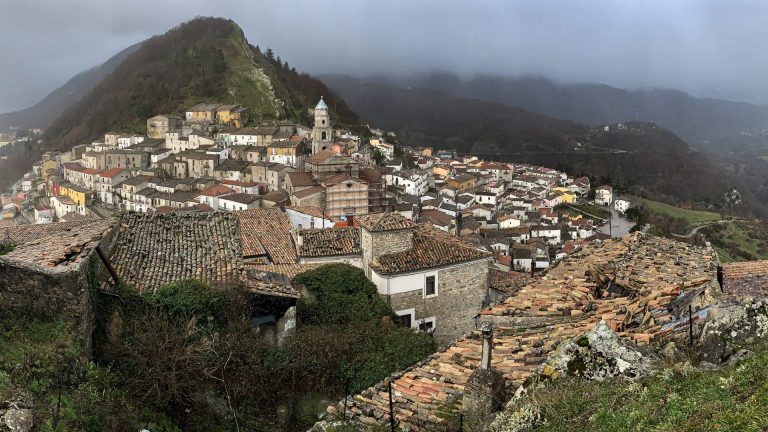
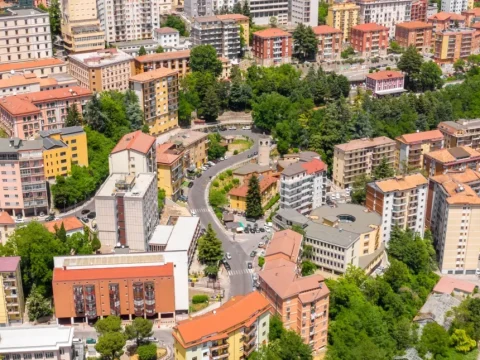
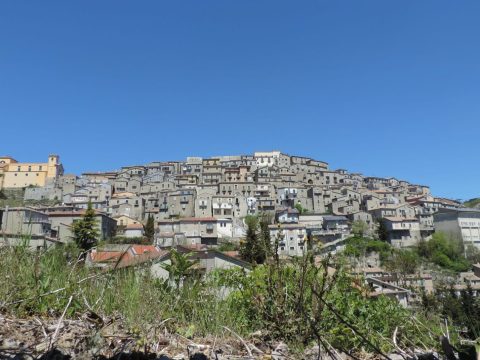
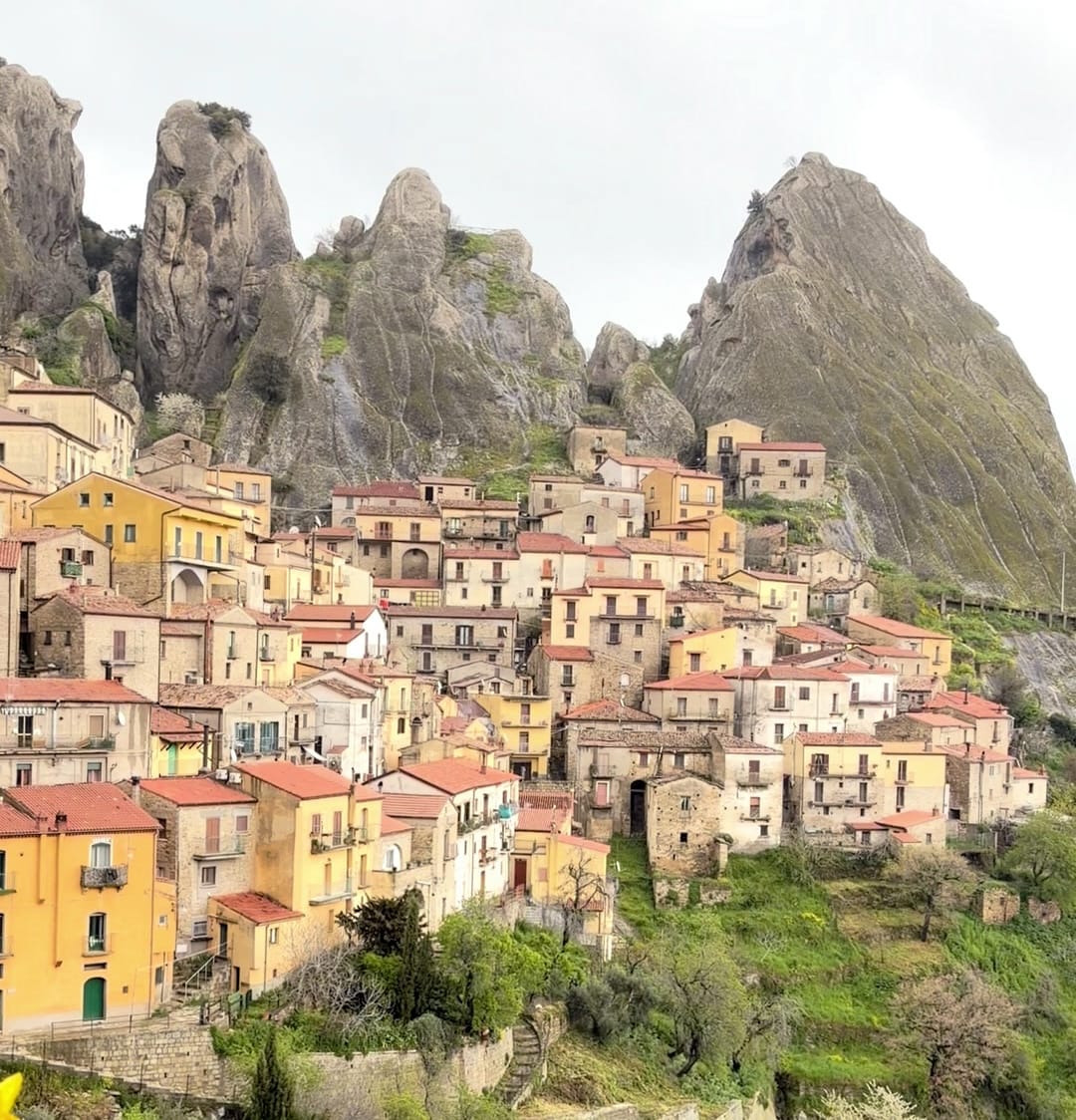
In the north is the Vulture, where the lava flows of an extinct volcano provide the soils for one of Italy’s greatest red wines. Near Potenza are the Dolomiti Lucane, sharp sandstone spires. Castelmezzano clings to them—you enter it through a tunnel carved in the rock face.
Matera gave me goosebumps, but what moved me most were the people—the most genuine and generous people I have ever met. People were kind to us everywhere. The owner of the apartment where I stayed noticed Isaac’s birthday on his passport, and when we arrived, there was a present waiting for him.
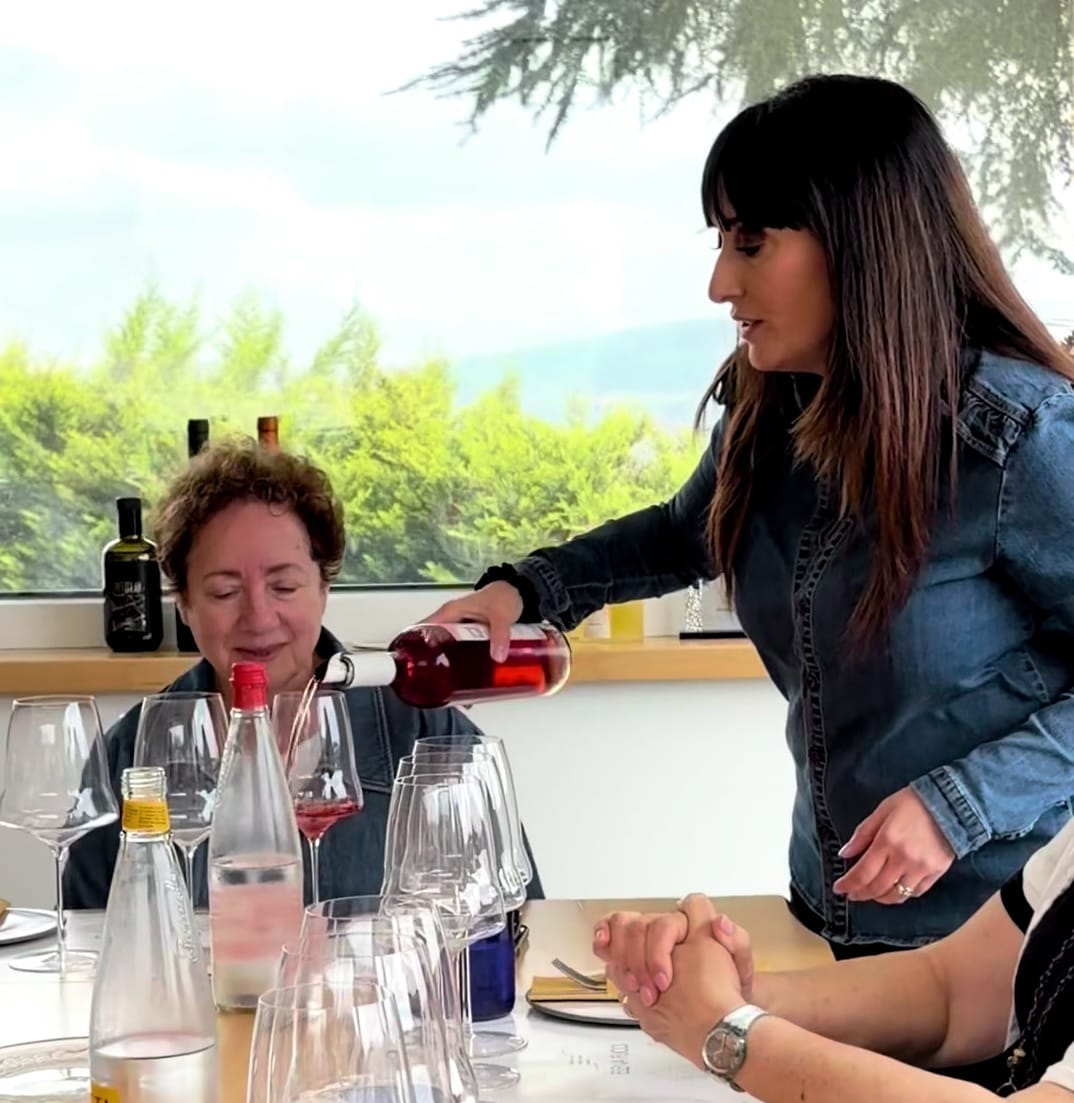
What draws me to Basilicata is not just the story of those who left, but also the story of those who stayed, and who chose to move here. In the summer of 2000, Elena Fucci had just finished high school and was planning to study genetic engineering when her parents decided to sell the family vineyards in the Vulture. She refused to let that happen, and studied enology instead. She became the first in her family to make wine from their own grapes. On her land irrigation is forbidden, even in summer, because the wine has to come from the volcano and nothing else. “You can irrigate the desert and grow tomatoes,” she says. “But those tomatoes will never be the expression of the desert.” Her grandfather Generoso marveled at the new techniques she brought to the vineyard.
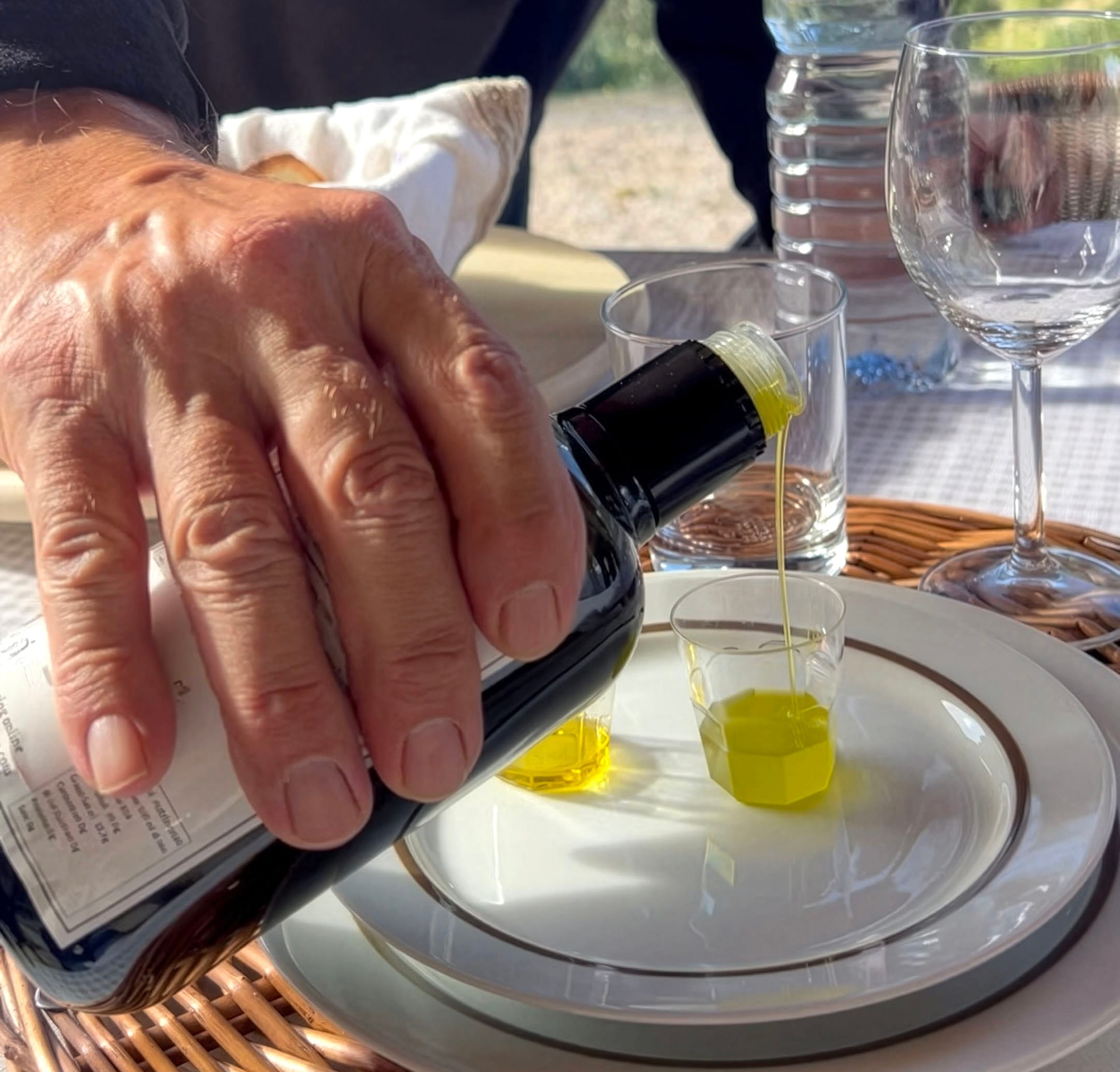
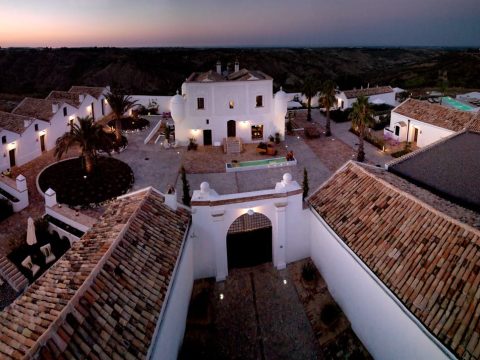
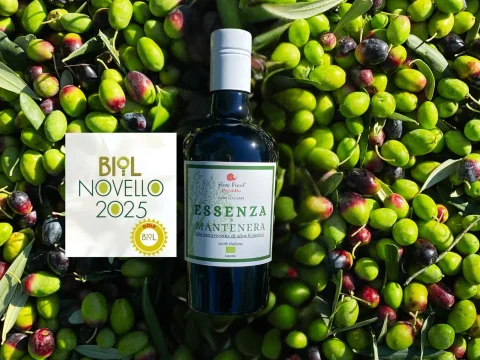
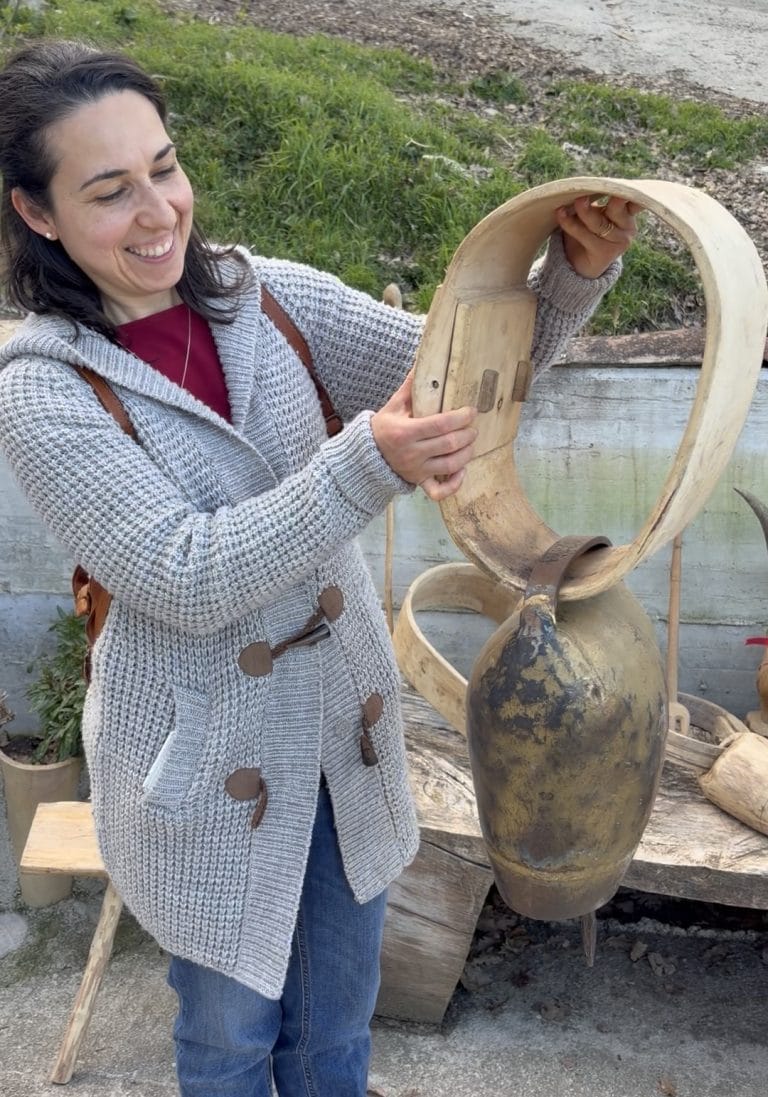
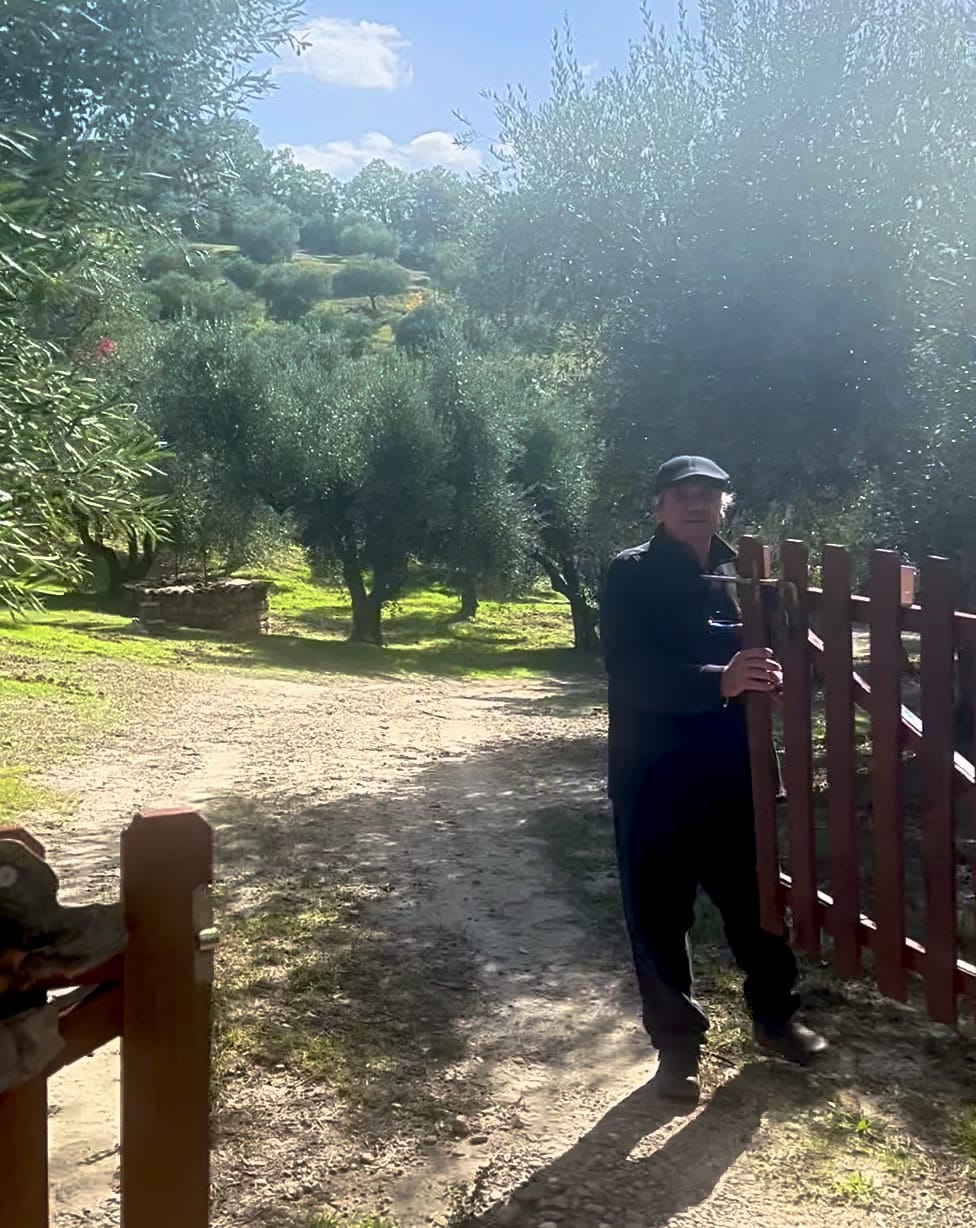
In the mountains above Brindisi Montagna, Mariantonietta Vaccaro turned down a doctorate in chemistry to raise her family’s wild Podolica cows and make caciocavallo, a raw milk cheese. They make the cheese by hand with wooden tools, and she can prove scientifically that it is the best way to do it. In Pisticci, the Giannone family—Lucani who had emigrated to Toronto—came back and restored a sixteenth-century masseria into a luxury hotel. At Mantenera, Andrea drove down from Milan on a motorbike, looking for a place to start over, when a country road ended at an ancient olive grove and a Vendesi sign. Some of his trees were planted when Galileo lived.
There is an Italian word I keep coming back to: struggente—something between haunting and heartbreaking, the feeling of being moved so deeply it hurts. That is Basilicata.